
Matt Is Back. Patriot Plumbing is Locally Owned Once Again!

What To Do If You Suspect a Hidden Leak in Your Wenatchee Home
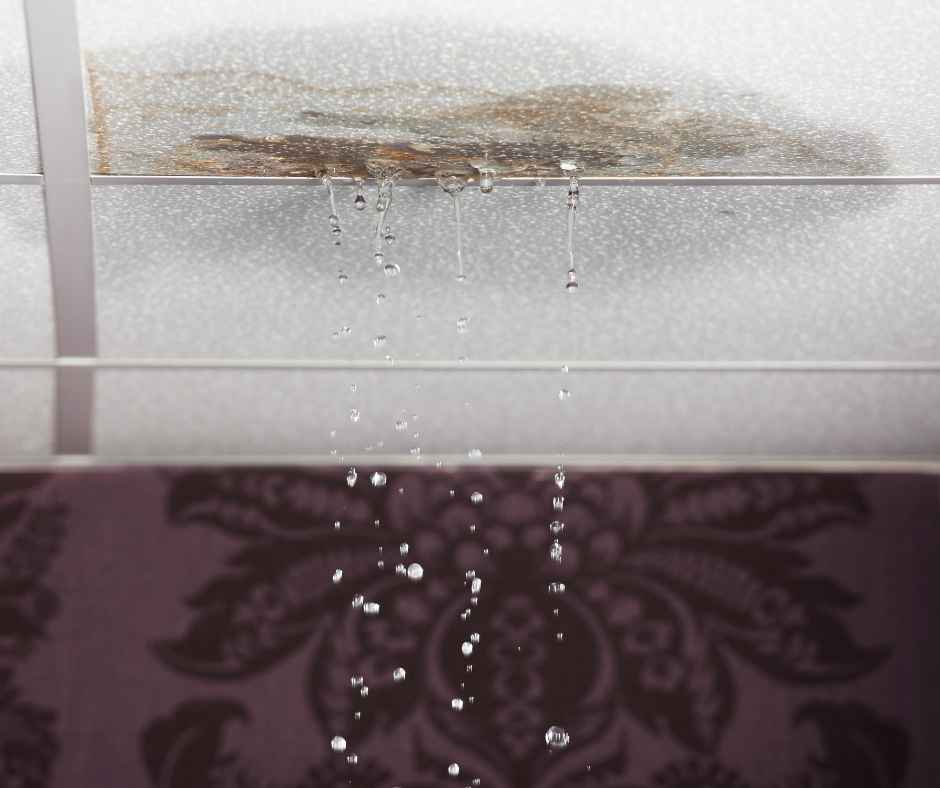
That “hidden” part of a plumbing problem is exactly what makes it so stressful. If you had a geyser shooting out from under your kitchen sink, you would know exactly what to do. But when it is just a faint musty smell in the hallway or a water bill that keeps creeping up for no apparent reason, it is hard not to feel a bit of low-grade anxiety. In a place like our neck of the woods, where homes range from historic builds near the downtown core to newer spots overlooking the river, a hidden leak can happen to anyone. The trick is catching it before it turns into a structural nightmare that drains your bank account.
In this blog, we are going to walk through the subtle breadcrumbs that a water leak leaves behind and the immediate steps you should take to protect your property. Whether you need a professional for specialized detection or just some peace of mind, knowing how to investigate your own home is the best first step.
The Quiet Signs of Trouble in Your Walls
Most water leaks do not start with a bang. They start with a slow, rhythmic drip that your ears might not even pick up on during a busy day. By the time you actually see a wet spot on the ceiling or a buckling floorboard, that water has likely been wandering through your home’s framing for weeks. In Wenatchee, our seasonal temperature swings can cause pipes to expand and contract, which can eventually wear down old joints or create tiny cracks in copper lines. If you have a gut feeling that something isn’t right, you are usually correct to be suspicious.
Keep an eye (and a nose) out for these specific indicators of a hidden leak:
- A persistent musty or earthy odor that does not go away after cleaning or opening the windows.
- Discoloration on the drywall usually looking like a faint tea-colored stain or a patch of bubbling paint.
- The sound of running water or a faint hissing noise behind your walls when all the faucets are turned off.
- Warm spots on your floor, which often point to a leak in a hot water line running through your slab.
- A sudden, unexplained increase in your monthly utility bill that does not match your actual water usage.
The biggest mistake homeowners make is waiting for the “perfect” sign to take action. If you see a weird damp spot, don’t just put a piece of furniture over it and hope it dries out. Water is persistent, and it will always find the path of least resistance. Eventually, it can lead to mold growth or weakened floor joists, compromising your home’s safety. Taking a proactive approach to identifying the source is the only way to ensure a minor plumbing issue doesn’t turn into a full-scale renovation project.
The Water Meter Test: Your Best DIY Tool
Before you start tearing into your drywall or pulling up tiles, there is one very simple test you can do to confirm if you actually have a problem. Your water meter is essentially a giant tattle-tale for your plumbing system. It tracks every single drop that enters your home, and it is the most reliable way to tell if water is escaping somewhere it shouldn’t be. Most meters in our area are either on the street or in a small box in the front yard, and checking them takes only a few minutes. This is a foundational part of any home leak detection strategy.
Here is how you perform a proper meter check:
- Turn off every single water-using appliance in your house, including the dishwasher, ice maker, and washing machine.
- Ensure no one is flushing a toilet or running a faucet for the duration of the test.
- Locate your water meter and look at the small leak indicator dial. It is usually a small red or blue triangle or a star-shaped wheel that spins.
- If that little dial is moving even slightly while everything inside is turned off, you have water moving through the system.
- If the dial is not moving, write down the current number on the meter and wait two hours without using any water. Check it again; if the number has increased, you have a slow leak.
This test is incredibly effective because it covers your entire property, including the main line that runs from the street to your house. If the meter shows movement but you cannot find a drip anywhere inside, the issue might be buried in your yard or under your foundation.
Why Speed Matters: The Cost of Waiting
Water damage is a progressive condition. The longer a hidden leak is allowed to exist, the more layers of your home it affects. It starts with the pipe, moves to the insulation, soaks into the wood, and eventually feeds colonies of mold that can impact your family’s health. In a climate like ours here in the valley, once moisture gets trapped in a dark, warm wall cavity, it does not take long for the environment to turn sour. This is why a “wait and see” approach is the most expensive strategy a homeowner can have.
Beyond the physical damage to your structure, there is also the sheer waste of a precious resource. A pinhole leak can waste hundreds of gallons of water a month, which is essentially just throwing money down the drain. By calling a Wenatchee plumber the moment you suspect a problem, you are choosing the most cost-effective path. We can pinpoint the leak, open a small and surgical hole to fix the pipe, and get your life back to normal before the structural integrity of your home is compromised. It is much easier to patch a small piece of drywall than it is to replace an entire floor or treat a massive mold infestation.
The financial impact of a leak also extends to your utility bills. Many residents are unaware that the city often charges for sewage based on water usage. If you have a leak, you are essentially paying for that water twice: once to let it leak out and again as a sewage fee. Fixing a leak quickly stops this financial leak as well. Taking action immediately is not just about saving your house; it is about protecting your budget from a situation that only gets more expensive every single day it is ignored.
Advanced Tech: What Professional Detection Looks Like
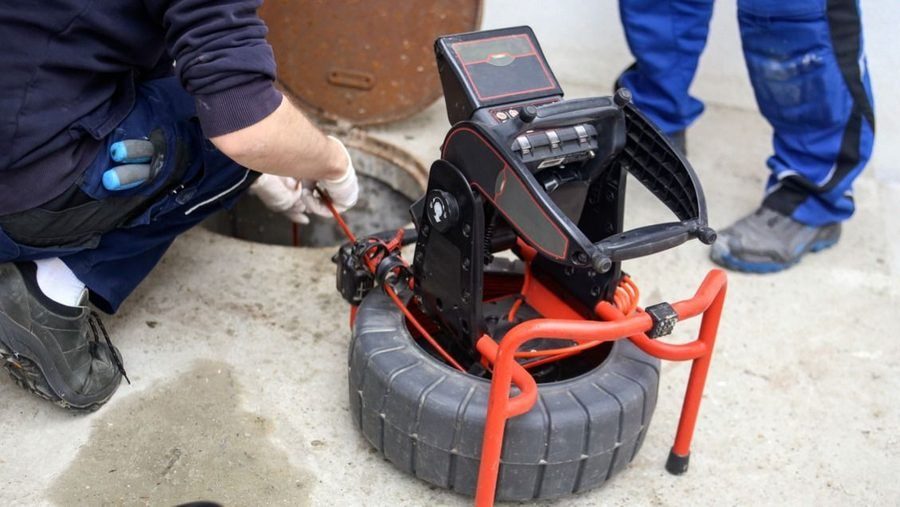
When a homeowner can’t find the source of the moisture, that’s where specialized technology comes into play. We don’t believe in the old-fashioned “search and destroy” method where a plumber starts cutting holes in your walls just to find a pipe. Instead, we use non-invasive tools that allow us to pinpoint the problem with surgical precision. This approach to Wenatchee leak detection is designed to save your drywall and your sanity. By using science instead of guesswork, we can find a leak under a concrete slab or behind a tiled shower wall without causing unnecessary damage to your home.
We rely on several high-tech methods to get the job done right:
- Acoustic Detection: This involves using sensitive microphones to listen for the specific frequency of water escaping a pressurized pipe.
- Thermal Imaging: We use infrared cameras to see temperature differences behind your walls, which often reveal the “plume” of cold or hot water leaking from a line.
- Electronic Pipe Location: This helps us map out the exact path of your plumbing lines so we know exactly where to focus our search.
- Tracer Gas: For the most stubborn leaks, we can introduce a safe, lightweight gas into the lines and use sensors to find where it escapes the pipe.
These tools are especially important for the newer homes in the hills, where slab leaks can be a major concern. If you have a leak beneath your foundation, you may not see or smell it until it has already caused significant settling. Our goal is to provide a clear answer so you can make an informed decision about the repair. Professional Wenatchee leak detection takes the mystery out of the situation and gives you a clear path forward. Once we find the spot, we can often perform a targeted repair that gets your water back on the same day.
Protecting Your Wenatcee Investment
Your home is likely your biggest investment, and keeping it dry is the most basic part of maintaining its value. A hidden leak can feel like a ghost in the machine, but it has a clear solution. By staying alert to signs and using your water meter as a guide, you can take control before the situation escalates. You do not have to wait for a disaster to happen; you just need to listen to what your house is trying to tell you.
At Patriot Plumbing, we take pride in being the experts you can turn to when things get damp. We have the tools and experience to handle Wenatchee leak detection with precision, saving you time, money, and a whole lot of stress. If you think you might have a leak lurking behind your walls, don’t wait. Contact us today for a professional inspection and let us get your home back to being the dry, safe sanctuary it should be.
FAQ: Frequently Asked Questions
Can a leak under my house cause my foundation to crack?
Yes, it certainly can. If a pipe leaks under your slab, it can wash away the soil that supports your foundation. This leads to settling or cracks in your flooring and walls. This is one of the most serious types of leaks a Wenatchee plumber handles.
Does homeowner’s insurance cover leak detection?
In many cases, yes. Most policies cover the result of the leak, such as repairing a water-damaged ceiling. Some will also cover the cost of the leak detection service itself. It is always best to check with your agent to see what your specific policy provides.
Why is my water bill so high even though I do not see any leaks?
The most common invisible culprit is a running toilet. A faulty flapper can waste thousands of gallons of water a month without ever making a sound or leaving a puddle. If the toilets are fine, it is time to call for professional help to check for a slab or yard leak.
How long does a professional leak detection take?
Most residential inspections can be completed in an hour or two. We use non-invasive technology to scan your home, so we do not have to start cutting into your walls just to find where the water is coming from.
Can I fix a hidden leak myself?
Unless you have experience with pipe soldering or PEX fittings and you are comfortable opening up a wall, it is usually best to leave it to a professional. A poorly repaired leak can fail again a few weeks later, causing even more damage than the first time around.

Built on Experience, Chosen with Confidence