
Matt Is Back. Patriot Plumbing is Locally Owned Once Again!

Gurgling Drains and Foul Odors: Is Your Wenatchee Sewer Line Clogging?
Gurgling drains and foul sewer odors can be early warning signs that wastewater and air are not moving normally through your plumbing system. One noisy drain may point to a localized issue, but when several fixtures start acting up at the same time, the main sewer line deserves closer attention.
In this guide, you will learn what causes gurgling and sewer smells, how to tell when the problem may involve the main line, and which warning signs mean it is time to call a plumber. Catching a developing sewer problem early can help you avoid a larger backup inside your home.
Do Gurgling Drains and Sewer Smells Mean Your Sewer Line Is Clogged?
They can. Gurgling drains and persistent sewer odors often appear when a blockage restricts wastewater and airflow through the drainage system. The possibility of a main sewer-line clog becomes stronger when multiple fixtures are affected.
Watch for:
-
Several drains slowing at once
-
Toilets gurgling when another fixture runs
-
Water rising in tubs or showers
-
Persistent sewage odors
-
Recurring main-line clogs
-
Lower drains backing up first
-
Problems that worsen when the washing machine or dishwasher drains
These symptoms do not automatically prove that the sewer line is clogged. Venting problems, local blockages, and dry traps can cause similar issues. The pattern of symptoms is what matters most.
Why Do Drains Gurgle When the Sewer Line Is Restricted?
Your drainage system is designed to move both wastewater and air. As water travels through the pipes, air must move freely through the drain and vent system.
When a blockage restricts the pipe, that normal airflow can be disrupted. Air may bubble through nearby traps or fixtures, creating the gurgling sound.
You might notice:
-
A toilet gurgles after the shower drains
-
A sink bubbles when the washing machine empties
-
A tub drain makes noise after a toilet flush
-
A lower fixture reacts when water is used upstairs
One occasional gurgle does not necessarily mean you have a major sewer problem. Persistent gurgling, especially across several fixtures, is more concerning.
It may mean wastewater is struggling to move through a shared drain line.
Why Does a Clogged Sewer Line Cause Foul Odors?
A sewer smell can develop when wastewater and organic material remain trapped inside a restricted drain line.
Slow-moving or standing wastewater may produce unpleasant odors that travel back through drains. A developing backup can make those smells more noticeable.
Possible sources of sewer odors include:
-
Wastewater trapped behind a blockage
-
A slow or clogged drain
-
Dry fixture traps
-
Venting problems
-
A leaking cleanout
-
Damaged sewer piping
-
A main sewer-line restriction
Odor alone does not confirm a sewer-line clog. For example, a rarely used floor drain may smell because the water in the trap has evaporated. A sink may smell because of buildup close to the drain opening. A sewer odor becomes more suspicious when it appears with gurgling, multiple slow drains, or wastewater backing up into fixtures.
What Does It Mean When Several Drains Act Up at Once?
Multiple slow drains are one of the strongest signs that the problem may be deeper than one fixture. Your sinks, toilets, tubs, showers, and appliances eventually connect to larger drain lines. Those lines then feed into the main sewer line leaving the home. If several fixtures begin slowing at the same time, they may be sharing the same downstream restriction.
For example, you may notice:
-
The kitchen sink drains slowly
-
A bathroom toilet flushes poorly
-
The shower holds water longer than usual
-
A lower floor drain starts bubbling
It is unlikely that several unrelated fixture clogs would all begin at the same time. A blockage in the main line can explain why several drains suddenly behave differently. The lowest drains may show problems first because wastewater backs up at the lowest available opening.
Why Does Flushing a Toilet Make Another Drain Gurgle?
When flushing one toilet causes a tub, shower, or sink to gurgle, the fixtures may be interacting because they share a restricted drain line.
Normally, wastewater moves toward the sewer while air moves through the vent system.
When the main line is partially blocked, the water cannot move freely. Air pressure changes inside the piping may force bubbles through another fixture.
You may see:
-
A shower drain bubbling after a toilet flush
-
Water rising in a tub when the washing machine drains
-
A toilet bubbling when a nearby sink empties
-
A floor drain reacting when water is used upstairs
This does not always mean the main line is completely blocked. A partial obstruction may still allow some wastewater through while creating noticeable pressure and drainage problems.
If these symptoms are becoming more frequent, professional evaluation is a better choice than waiting for a complete backup.
What Causes Main Sewer Line Clogs in Wenatchee Homes?
Several different problems can restrict or damage a main sewer line.
Common causes include:
-
Grease buildup: Cooking grease can coat pipe walls and trap other debris.
-
Wipes: Products marketed as flushable may remain intact longer than toilet paper.
-
Foreign objects: Hygiene products, toys, and other items can lodge inside the line.
-
Tree roots: Roots may enter through cracks or loose joints and grow inside the pipe.
-
Scale buildup: Mineral deposits can gradually reduce the pipe opening.
-
Corrosion: Older metal piping may deteriorate internally.
-
Cracked pipe: Damage can allow soil or roots to enter.
-
Offset joints: Sections of pipe may shift and catch debris.
-
Sewer bellies: Low spots can collect wastewater and solids.
-
Partial collapse: A weakened pipe may lose enough structure to restrict flow.
The correct repair depends on the cause. A grease blockage may respond to cleaning. A collapsed pipe will not. This is why a plumber should determine what is actually causing the restriction before recommending major work.
Why Does the Clog Keep Coming Back After Drain Cleaning?
A recurring sewer clog can mean that the original obstruction was only partly removed or that a structural problem is causing material to collect again.
For example, drain-cleaning equipment may open a pathway through heavy buildup. Water begins flowing again, but grease or debris remains along the pipe walls. The opening can quickly clog again.
Problems may also return when:
-
Roots continue entering through a damaged joint
-
Scale remains inside the pipe
-
A low section collects solids
-
A pipe has shifted
-
Cracks continue catching debris
-
The line is partially collapsed
This creates an important distinction.
Drain cleaning restores flow. Diagnosis determines why the blockage keeps returning.
If your main line has already been cleared several times and the same symptoms continue, another cleaning may not be enough.
When Is a Sewer Camera Inspection Worth It?
A sewer camera inspection is not necessary for every clogged sink or toilet. It becomes more useful when the same main-line problem keeps returning or when a plumber suspects damage underground.
Consider a camera inspection when:
-
Several drains continue to have problems
-
Main-line clogs repeatedly return
-
Tree roots are suspected
-
Cleaning only provides temporary relief
-
The home has older sewer piping
-
A crack or offset joint is suspected
-
Standing water remains inside the line
-
The cause cannot be determined from symptoms alone
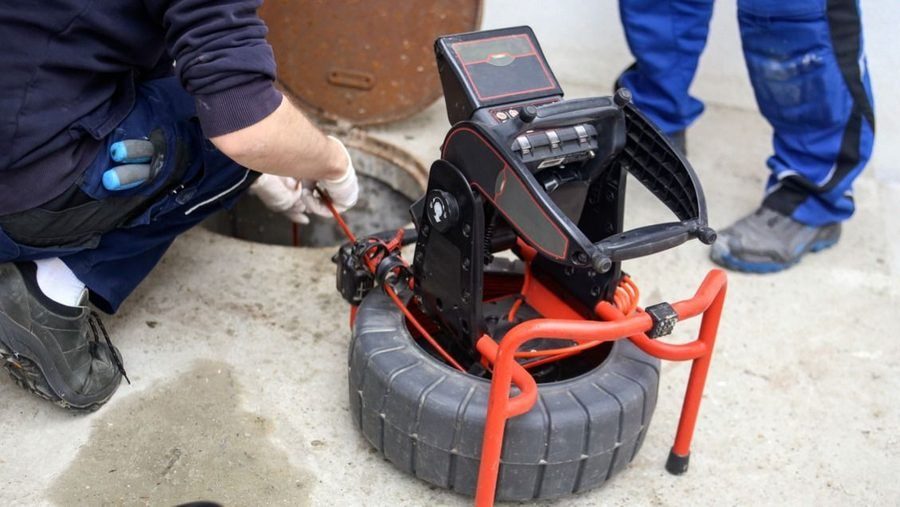
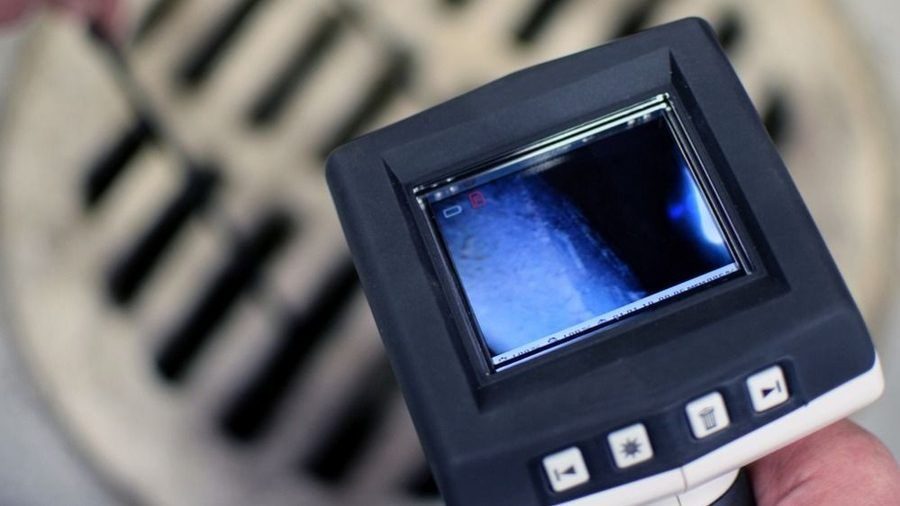
A waterproof camera can be sent through accessible sections of the sewer line.
The inspection may reveal:
-
Root intrusion
-
Cracked pipe
-
Corrosion
-
Offset joints
-
Heavy buildup
-
Standing water
-
Foreign objects
-
Partial collapse
A severe blockage may need to be cleared before the camera can travel through the line.
The camera findings can help determine whether another cleaning is appropriate or whether the pipe itself needs repair.
What Sewer Warning Signs Mean You Should Call a Plumber Right Away?
Some sewer problems should not be monitored or repeatedly treated with household methods.
Call a plumber promptly when you notice:
-
Sewage backing up into a tub or shower
-
Several toilets becoming unusable
-
Wastewater coming from a floor drain
-
Strong, persistent sewage odors
-
Gurgling throughout the home
-
A blockage returning soon after cleaning
-
Standing wastewater
-
Drain problems getting worse quickly
If sewage is backing up, reduce household water use.
Avoid running:
-
Washing machines
-
Dishwashers
-
Showers
-
Multiple sinks
-
Additional toilet flushes
Every gallon of water entering a blocked system may increase the amount of wastewater that backs up into the home.
Avoid direct contact with sewage. Wastewater may contain bacteria and other contaminants that require proper cleanup.
How Can You Reduce the Risk of Another Sewer Clog?
Good habits cannot prevent every sewer-line problem, but they can reduce unnecessary buildup.
Helpful steps include:
-
Keep cooking grease out of drains
-
Flush only toilet paper and human waste
-
Avoid flushing wipes
-
Use strainers to catch hair and food debris
-
Respond to slow drains early
-
Keep records of recurring clogs
-
Ask what caused the blockage after professional cleaning
-
Consider camera inspection if the same problem returns
-
Address root intrusion or damaged piping when identified
Do not rely on repeated chemical drain cleaners to solve a main-line problem.
Chemical products cannot repair a cracked pipe, offset joint, sewer belly, or collapsed section.
The best prevention strategy is to recognize a pattern before the line becomes completely blocked.
Do Not Wait for Gurgling Drains to Become a Sewer Backup
Gurgling drains and foul odors can be early signs that your plumbing system is struggling to move wastewater normally. When several fixtures slow down together, one drain affects another, or the same blockage repeatedly returns, a main sewer-line problem becomes more likely.
The goal is not simply to make the noise or odor disappear. It is to identify whether the cause is buildup, roots, damaged piping, poor alignment, or another restriction.
Patriot Plumbing helps Wenatchee homeowners diagnose drain and sewer problems, restore proper flow, and determine when deeper inspection is needed. If gurgling drains or sewer odors are becoming a recurring problem in your home, contact us today to schedule professional plumbing service.
Built on Experience, Chosen with Confidence