
Matt Is Back. Patriot Plumbing is Locally Owned Once Again!

Why Do My Drains Keep Clogging in Wenatchee? Beyond DIY Fixes for North Central Washington Homes
A slow drain is frustrating enough the first time. When the same sink, shower, or toilet keeps clogging after you have already plunged it, snaked it, or tried a store-bought cleaner, the problem may be deeper than one simple blockage.
Recurring clogs often mean something in the drain or sewer line is letting debris collect again. Grease, soap residue, hair, scale, tree roots, pipe damage, or an incomplete clearing can all create problems that return after a temporary DIY fix.
In this guide, we’ll explain why drains keep clogging, why some do-it-yourself methods only work for a short time, and when professional drain cleaning, hydro jetting, or a sewer camera inspection may make more sense. We’ll also cover the warning signs that point toward a larger main sewer line problem in a Wenatchee or North Central Washington home.
Why Do Drains Keep Clogging Even After You Clear Them?
A drain can start flowing again without actually being fully cleaned. If a plunger or small snake opens a narrow path through the blockage but leaves buildup on the pipe walls, new debris can collect in the same area.
Recurring clogs may be caused by:
-
Grease
-
Soap residue
-
Hair
-
Food debris
-
Mineral buildup
-
Foreign objects
-
Damaged or offset pipes
-
Partial sewer line restrictions
The important distinction is between clearing a blockage and identifying why it formed. If the same drain clogs repeatedly, the cause may still be present.
What Are the Most Common Causes of Recurring Drain Clogs?
Different drains tend to clog for different reasons. Where the problem occurs can provide useful clues about what may be building up inside the line.
Kitchen drains commonly struggle with:
-
Grease
-
Cooking oils
-
Food particles
-
Soap residue
Bathroom drains often collect:
-
Hair
-
Soap scum
-
Personal care products
-
Other debris
Laundry drains may develop problems involving lint, detergent residue, or a larger drainage restriction. If several fixtures are affected at the same time, the problem may be in the main sewer line rather than one individual drain.
Why Do DIY Drain Fixes Sometimes Only Work Temporarily?
DIY methods often focus on restoring flow rather than cleaning or inspecting the entire line. That can work well for a small, localized clog, but it may not be enough for a recurring problem.
A plunger can move a blockage. A hand snake can break through or retrieve some material. Even if the drain starts working again, buildup may remain farther down the pipe.
This is why temporary improvement can be misleading. If the drain slows again within days or weeks, the underlying issue probably was not fully resolved.
Can Chemical Drain Cleaners Damage Your Plumbing?
Repeated or improper use of chemical drain cleaners can be hard on some plumbing materials and can create safety concerns during handling. They may also not address why a clog keeps returning.
Chemical products can sometimes:
-
Produce heat inside the pipe
-
Create irritating fumes
-
Damage certain materials with repeated use
-
Remain trapped behind a blockage
-
Create exposure risks for anyone working on the drain later
They also don’t repair damaged pipes, remove roots, or fix a structural problem. If recurring clogs are the issue, diagnosis is usually more useful than repeatedly adding stronger chemicals.
How Can Grease and Soap Buildup Cause Repeat Clogs?
Grease and soap residue can coat the inside of a drain line instead of washing away completely. Over time, that layer can narrow the pipe and create a rough surface that catches other debris.
A partially coated pipe may still drain normally for a while. As more material sticks to the buildup, the opening gets smaller and the drain begins slowing again.
This can create a repeating pattern:
-
Drain slows
-
Blockage is partially cleared
-
Flow improves
-
Buildup remains
-
New debris collects
-
Drain clogs again
More thorough cleaning may be necessary when the pipe walls are heavily coated.
Can Tree Roots Cause Drain Problems in Wenatchee?
Yes. Tree roots can enter buried sewer lines through existing cracks, joints, or other openings and create recurring restrictions.
Once inside, roots can catch toilet paper and other waste moving through the line. That buildup can eventually produce slow drainage or a full sewer backup.
Root intrusion matters because clearing the roots does not automatically repair the pipe. If an opening remains, roots may return.
A camera inspection can help determine whether roots are present and whether the pipe itself needs repair.
How Do You Know if the Problem Is in Your Main Sewer Line?
A main sewer line problem often affects more than one plumbing fixture. If several drains slow down or back up at the same time, the blockage may be farther downstream.
Watch for:
-
Multiple slow drains
-
Toilets gurgling when another fixture runs
-
Water backing into tubs or showers
-
Lower-level drains overflowing
-
Sewage odors
-
Recurring whole-home drainage problems
One slow sink usually points toward a localized clog. Several fixtures reacting to one another are more consistent with a main-line problem.
Could Older Pipes Be Making Clogs More Likely?
They can. Aging drain and sewer lines may develop rough interiors, corrosion, offsets, cracks, low spots, or other conditions that make debris easier to collect.
That does not mean every older home in North Central Washington has damaged plumbing. It does mean you should consider pipe condition when recurring clogs keep returning despite repeated cleaning.
Possible problems include:
-
Corrosion
-
Rough interior surfaces
-
Offset joints
-
Cracks
-
Root entry points
-
Deteriorated sections
-
Previous repairs that created uneven transitions
Cleaning may restore flow, but structural problems require a different solution.
What Does Gurgling Mean When Your Drains Are Slow?
Gurgling often happens when air is moving through the drainage system in an unusual way. A restriction can disrupt normal wastewater flow and airflow, causing bubbling or gurgling sounds.
Possible causes include:
-
Partial drain blockages
-
Main-line restrictions
-
Venting problems
-
Developing sewer clogs
Sound alone cannot identify the exact problem. If gurgling happens together with slow drains or backups, it is a stronger reason to have the system evaluated.
When Is Professional Drain Cleaning Better Than DIY?
Professional drain service becomes more useful when the problem is repetitive, affects multiple fixtures, or is too deep for basic homeowner tools. It also allows the plumber to match the cleaning method to the type of blockage.
Consider professional service when:
-
The same drain keeps clogging
-
Multiple drains are slow
-
Sewage backs up
-
DIY methods only help briefly
-
Tree roots are suspected
-
Strong sewer odors are present
-
A main-line clog may be developing
A professional can determine whether basic snaking, more thorough cleaning, hydro jetting, or inspection is appropriate.
When Does Hydro Jetting Make Sense?
Hydro jetting uses high-pressure water to clean the inside of drain and sewer lines. Instead of simply opening a path through a blockage, it can remove grease, sludge, and other buildup from a larger portion of the pipe wall.
Hydro jetting may be useful for:
-
Heavy grease buildup
-
Thick sludge
-
Recurring wall buildup
-
Certain root intrusions
-
Lines that keep clogging after basic cleaning
It is not appropriate for every pipe. Fragile, damaged, or severely deteriorated lines may need inspection before using high-pressure cleaning.
Hydro jetting can clean a pipe, but it cannot repair cracks, offsets, or collapsed sections.
Why Is a Sewer Camera Inspection Useful for Recurring Clogs?
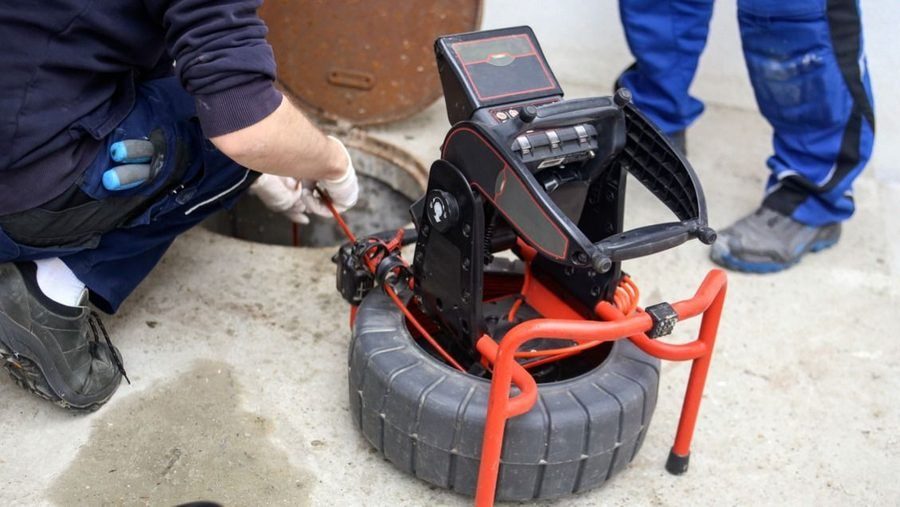
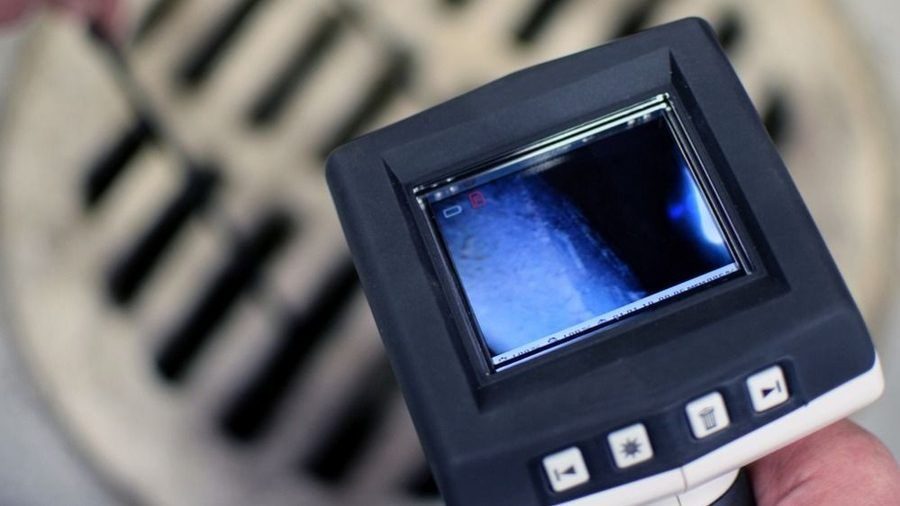
A sewer camera can help a plumber see what is happening inside accessible portions of the line. This is especially useful when repeated cleaning has not stopped the problem from returning.
An inspection may reveal:
-
Root intrusion
-
Grease buildup
-
Foreign objects
-
Cracks
-
Offset joints
-
Deterioration
-
Partial collapse
That information helps determine whether the right solution is cleaning, hydro jetting, targeted repair, or replacement.
Without inspection, homeowners may end up paying for repeated drain clearing without ever addressing the underlying cause.
How Can You Help Prevent Future Drain Clogs?
Not every clog is preventable, especially when structural sewer problems are involved. Good drain habits can still reduce unnecessary buildup.
Helpful steps include:
-
Keep grease and cooking oil out of sinks
-
Use strainers in showers and tubs
-
Avoid flushing wipes
-
Limit food waste entering kitchen drains
-
Clean accessible strainers regularly
-
Pay attention to recurring slow drainage
-
Address known root intrusion
-
Have repeated problems inspected early
Prevention is especially useful after professional cleaning. A clean pipe can still clog again if the same habits or structural issues continue.
When Should You Call a Plumber Right Away?
Some drainage problems should not be treated as routine clogs. Sewage backups and multiple blocked fixtures can indicate a significant main-line restriction.
Call for professional help if:
-
Sewage backs up into the home
-
Multiple drains stop working
-
Wastewater appears in tubs or showers
-
Strong sewer odors accompany a backup
-
Toilets and drains gurgle throughout the house
-
A cleared sewer line keeps backing up
Avoid running water when you suspect a main sewer blockage. Additional water use can make an active backup worse.
Get to the Root of Recurring Drain Problems With Patriot Plumbing
If the same drain keeps clogging, repeatedly reaching for a plunger or drain cleaner may only address the symptom. Buildup, roots, damaged piping, or a main sewer restriction can cause the problem to return until you identify the underlying issue.
Patriot Plumbing can evaluate recurring drainage problems, determine whether professional cleaning, hydro jetting, camera inspection, or repair makes sense, and help restore reliable flow to your plumbing system. If clogged drains keep returning in your Wenatchee or North Central Washington home, contact us today to schedule professional drain service.
Built on Experience, Chosen with Confidence