
Matt Is Back. Patriot Plumbing is Locally Owned Once Again!

Buying an Older Wenatchee Home? Put the Sewer Line on the Inspection List
Buying an older home in Wenatchee can be exciting. Established neighborhoods, mature landscaping, distinctive architecture, and larger lots can make these properties especially appealing. But older homes can also contain buried systems that are difficult to evaluate during a standard walkthrough.
The sewer line is one of the most important. It carries wastewater from the home to the municipal sewer, yet most of the pipe is underground and out of sight. Toilets may flush and sinks may drain normally even when the line contains roots, cracks, corrosion, or standing water.
In this guide, we will explain why homebuyers should consider a sewer camera inspection, what it may uncover, and how the findings can help you make a more informed purchase.
Why the Sewer Line Deserves Its Own Inspection
A home’s sewer lateral extends from the plumbing inside the house to the municipal connection. Depending on the property, it may run beneath the yard, driveway, walkway, landscaping, or other finished areas.
Because the line is buried, its condition cannot usually be confirmed by looking at visible plumbing.
A home may appear to have working drains while the sewer line has:
-
A partial blockage
-
Tree root intrusion
-
Cracked pipe walls
-
Corroded sections
-
Separated joints
-
A low or bellied section
-
An older repair that is beginning to fail
These issues may not cause a complete backup during a short home inspection. Problems can become more obvious after a family moves in and begins using showers, toilets, laundry equipment, and the dishwasher throughout the day.
What a Standard Home Inspection May Not Show
A standard home inspection can provide valuable information about visible fixtures and accessible plumbing.
An inspector may check:
-
Faucets and toilets
-
Water pressure
-
Drain speed
-
Visible supply pipes
-
Water heaters
-
Accessible shutoff valves
-
Signs of leaks
However, these checks do not provide a direct view of the underground sewer line.
Running water for several minutes may reveal a severe blockage, but it may not expose roots, corrosion, standing water, or structural damage farther down the pipe.
A separate sewer camera inspection is designed to examine this hidden portion of the plumbing system.
Why Older Wenatchee Homes May Have Aging Sewer Pipes
An older home may still have some or all of its original sewer line. It may also contain a combination of original material and newer repair sections installed by previous owners.
Pipe condition depends on several factors:
-
Original material
-
Installation quality
-
Soil conditions
-
Tree root activity
-
Ground movement
-
Previous repairs
-
Maintenance history
-
Age and use
Older materials can remain functional for many years, but joints, seals, and pipe walls may deteriorate over time.
Not every older Wenatchee home has sewer damage. The goal of an inspection is to evaluate the actual pipe rather than assuming it is either safe or failing based only on the home’s age.
What Is a Pre-Purchase Sewer Camera Inspection?
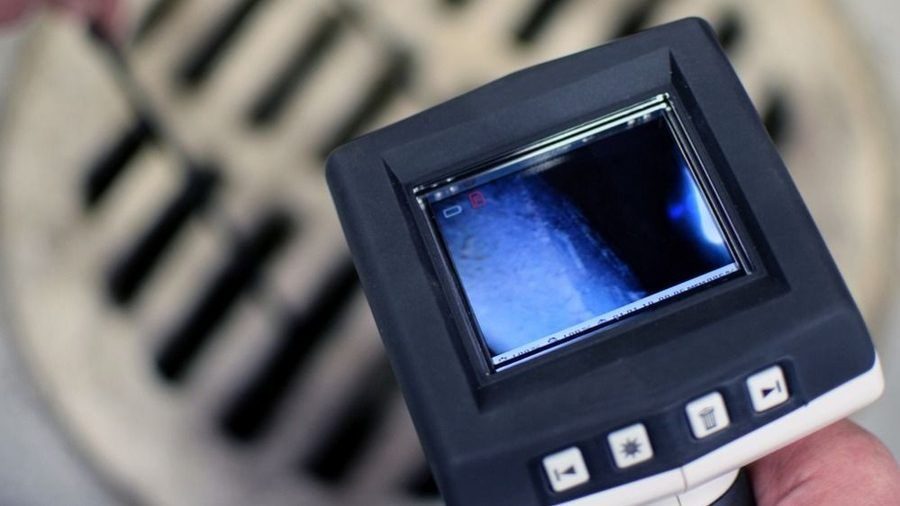
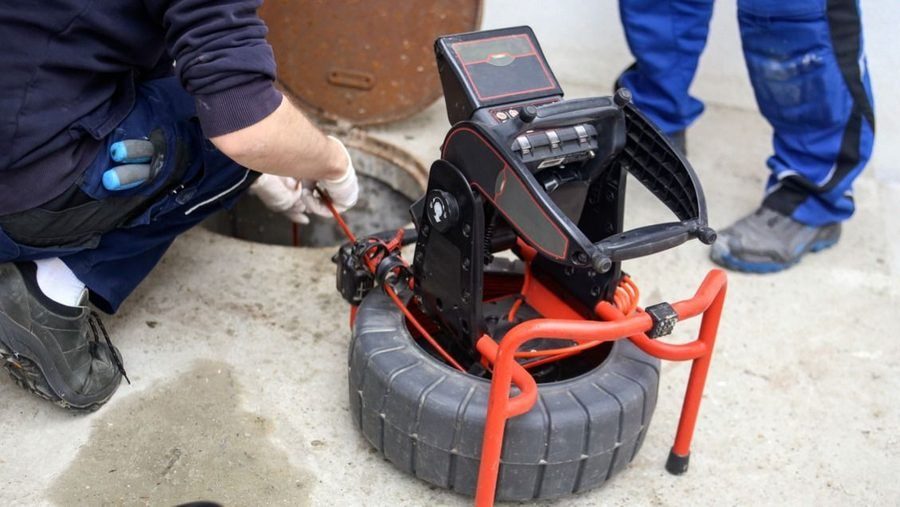
A sewer camera inspection, sometimes called a sewer scope, uses a waterproof camera attached to a flexible cable.
A plumber inserts the camera through a sewer cleanout or another appropriate access point. The camera travels through the line while sending live video to a monitor.
The inspection may help identify:
-
Pipe material
-
Blockage location
-
Root growth
-
Cracks
-
Corrosion
-
Offset joints
-
Standing water
-
Bellied sections
-
Partial collapse
-
Previous repair areas
The footage can help determine whether the sewer line appears serviceable, needs cleaning, or may require repair.
A camera inspection does not guarantee that every possible problem will be visible. Heavy blockage, a complete collapse, or limited access may prevent the camera from reaching the entire line. Even so, it can reveal far more than a basic drain test.
What a Sewer Camera Could Find
Several sewer problems may remain hidden until the line is inspected directly.
Common findings include:
-
Tree roots entering through damaged joints
-
Grease, paper, wipes, or sludge buildup
-
Cracks in the pipe wall
-
Corroded or deteriorated material
-
Separated connections
-
Offset pipe sections
-
Standing water caused by poor slope
-
Foreign objects
-
Partial or complete collapse
-
Mismatched materials from previous repairs
The seriousness of the finding depends on its location, size, and effect on wastewater flow.
Minor buildup in a stable pipe may need cleaning. A severe belly, collapsed section, or widespread deterioration may require a larger repair.
Tree Root Intrusion Near Established Properties
Mature trees and landscaping can make an older property attractive, but roots may become a sewer concern when the pipe already has an opening.
Roots are naturally drawn toward moisture. They may enter through:
-
Cracks
-
Loose joints
-
Deteriorated seals
-
Corroded pipe walls
-
Previous repair connections
Once inside, roots can catch toilet paper and other waste. A small intrusion may gradually turn into a recurring blockage.
Mechanical cutting or hydro jetting may remove roots and restore flow. However, cleaning does not seal the opening that allowed them inside.
If the camera shows repeated or severe root intrusion, the damaged section may need to be repaired.
Cracked, Corroded, or Deteriorated Pipe
A sewer line can continue carrying wastewater even when its condition is declining.
Cracked or corroded piping may have:
-
Rough interior surfaces
-
Small leaks
-
Weak pipe walls
-
Missing material
-
Openings for roots
-
Areas that repeatedly catch debris
During a home showing or inspection, the line may handle light water use without backing up. Problems may appear later when several fixtures operate close together.
Widespread deterioration can also make future cleaning more difficult because aggressive methods may not be appropriate for a weakened pipe.
Separated Joints and Shifted Pipe Sections
Sewer lines are often made from multiple connected sections. Those connections can shift because of soil settlement, root pressure, poor support, or previous excavation.
When one section moves out of alignment, it may create an offset that catches waste.
A separated joint can also allow:
-
Roots to enter
-
Wastewater to leak
-
Soil to enter the pipe
-
Groundwater to infiltrate the line
A small offset may remain functional but require monitoring. A severe shift may restrict flow and need excavation or another repair method.
What Is a Bellied Sewer Line?
A sewer line belly is a low section where water collects.
Sewer piping should maintain a consistent downward slope. If part of the line settles, wastewater may pool instead of flowing freely.
Waste, paper, and grease can accumulate in this low section and create repeated clogs.
A bellied line may work during limited water use. Problems can become more noticeable when:
-
Multiple people shower
-
Laundry equipment runs
-
Toilets are flushed repeatedly
-
The dishwasher operates
-
Guests increase household water use
Drain cleaning may remove material from the low area, but it cannot lift the pipe or correct its slope.
A significant belly usually requires physical repair or replacement of the affected section.
Signs of an Older or Incomplete Repair
A sewer camera may reveal that part of the line was repaired previously.
Possible findings include:
-
Short replacement sections
-
Mismatched pipe materials
-
Rough transitions
-
Offset fittings
-
Patches
-
Abandoned debris
-
Deteriorated repair connections
Previous repair work is not automatically a concern. A properly completed repair may remain reliable for many years.
The inspection helps determine whether the repaired section is still functioning correctly and whether the surrounding original pipe is in similar or worse condition.
Why a Successful Flush Test Is Not Enough
Flushing toilets and running faucets only tests the sewer line for a short period.
A partially restricted pipe may handle one or two fixtures but struggle under heavier demand. The same is true for a line with roots, standing water, or a damaged joint.
A successful flush does not confirm:
-
The condition of the pipe walls
-
Whether roots are present
-
Whether water is standing in the line
-
Whether the slope is correct
-
Whether joints are aligned
-
Whether a previous repair is failing
A sewer camera inspection provides a closer look before those hidden conditions become the new homeowner’s responsibility.
How Sewer Findings Can Affect a Home Purchase
Finding sewer damage does not automatically mean you should abandon the property.
The inspection gives you information that may help with:
-
Planning future repairs
-
Requesting additional evaluation
-
Obtaining a sewer repair estimate
-
Discussing repairs or credits with the seller
-
Comparing the home with other properties
-
Budgeting after closing
A removable clog may be relatively straightforward. A long collapsed line beneath a driveway may require a much larger project.
Real estate contracts and inspection rights vary, so buyers should discuss deadlines and negotiations with their real estate and legal professionals.
The plumber’s role is to explain the physical condition of the sewer line and the likely repair options.
When Drain Cleaning May Be Enough
Professional drain cleaning may be appropriate when the camera shows a structurally stable line containing removable buildup.
Possible causes include:
-
Paper accumulation
-
Wipes
-
Grease
-
Sludge
-
Foreign objects
-
Limited root growth
Depending on the pipe, a plumber may recommend mechanical cleaning, root cutting, or hydro jetting.
After cleaning, another camera inspection may be used to confirm the condition of the exposed pipe walls.
Cleaning can restore flow, but it does not repair cracks, poor slope, or separated joints.
When Sewer Repair or Replacement May Be Needed
Repair may be recommended when the inspection finds:
-
Significant cracks
-
Repeated root entry
-
Severe corrosion
-
Offset joints
-
A major belly
-
Partial collapse
-
Complete collapse
-
Several deteriorated sections
Possible solutions may include:
-
Spot repair
-
Pipe lining
-
Pipe bursting
-
Traditional excavation
-
Full sewer line replacement
The right method depends on the pipe’s route, material, slope, depth, condition, and accessibility.
Trenchless options may reduce excavation in some situations. They cannot correct every problem, especially when the pipe has lost its proper slope or is badly misaligned.
Know What Is Beneath Your Wenatchee Home Before You Buy
An older Wenatchee home may have charm, character, and years of reliable life ahead. Its sewer line should still be evaluated with the same care as the roof, foundation, electrical system, and visible plumbing.
A sewer camera inspection may uncover roots, cracks, corrosion, standing water, shifted joints, or previous repairs before those problems become yours to manage.
Patriot Plumbing can inspect the sewer line, explain the camera findings, and provide guidance on cleaning or repair options. Before purchasing an older home in Wenatchee, contact us today to schedule a professional sewer inspection.

Built on Experience, Chosen with Confidence