
Matt Is Back. Patriot Plumbing is Locally Owned Once Again!

Why Sewer Lines Back Up in Wenatchee Homes During Spring Snowmelt
Sewer lines often back up in Wenatchee homes during spring snowmelt because melting snow saturates the soil, increases groundwater pressure, and exposes existing sewer line problems such as tree root intrusion, grease buildup, cracked pipes, and loose joints. When wastewater cannot move freely through the line, homeowners may notice slow drains, gurgling toilets, sewage odors, or backups in lower fixtures.
Spring in Wenatchee brings warmer days and melting snow, but it can also create serious plumbing problems for local homeowners. As snowmelt soaks the ground, extra water can put pressure on aging or vulnerable sewer lines, making backups more likely just when families expect the season to feel easier.
In this blog, we explain why sewer lines back up in Wenatchee homes during spring snowmelt, what warning signs to watch for, and what steps can help reduce the risk. If drains are slowing, toilets are gurgling, or sewage odors are appearing, these may be early signs of a bigger issue. Understanding the cause early can help you avoid costly damage and protect your home before the problem gets worse.
Why Do Sewer Lines Back Up in Wenatchee During Spring Snowmelt?
Wenatchee homeowners often deal with a unique mix of winter snow buildup and rapid spring thaw. When temperatures rise, melting snow pushes a large amount of water into the soil around underground plumbing lines. That added moisture can expose weak points in a home’s sewer system, making backups more likely.
Sewer lines are designed to move wastewater away from the home, but they can struggle when the surrounding ground becomes heavily saturated. If a pipe already has cracks, loose joints, or minor blockages, spring snowmelt can worsen those problems. Water can seep into the line, roots can expand toward moisture, and pressure around the pipe can increase.
This seasonal pattern matters in Wenatchee because many homeowners may not notice sewer trouble during colder months. Then spring arrives, the ground shifts, water levels rise, and hidden issues begin to surface quickly. What seemed like a minor drainage issue in winter can turn into multiple slow drains, sewer odors, or a full backup once snowmelt is underway.
That is why spring is one of the most important times of year to pay attention to sewer line performance.
How Melting Snow Affects Underground Sewer Lines
When snow begins to melt in Wenatchee, that water does not just disappear. It seeps into the soil and builds up around underground sewer pipes. If a sewer line already has weak joints, small cracks, or partial blockages, spring snowmelt can make those problems worse very quickly.
As the ground becomes saturated, extra moisture puts pressure on the outside of the pipe. In older or damaged lines, groundwater can enter through vulnerable spots, reducing the system’s ability to move wastewater away from the home. That is when homeowners may start noticing slow drains, gurgling toilets, or sewage backing up into lower fixtures.
Common ways snowmelt affects sewer lines include:
-
Water collecting around cracked or aging pipes
-
Groundwater entering through loose joints or small openings
-
Added pressure on lines that already have grease or debris buildup
-
Faster root growth toward the moisture around the pipe
-
Reduced drainage performance during the heavy spring thaw
For local homeowners, the biggest issue is that snowmelt often exposes a hidden sewer problem. A line that seemed manageable in winter can start failing once the soil becomes wet and unstable.
What Causes Sewer Line Backups During Spring Snowmelt?
Spring sewer backups usually do not happen for just one reason. In many Wenatchee homes, snowmelt increases pressure on sewer lines that already have an underlying problem. Once that happens, wastewater has a harder time moving out of the home.
Tree Root Intrusion
Tree roots are one of the most common causes of sewer line backups in the spring. As snow melts and the soil becomes wetter, roots naturally grow toward that moisture. If your sewer line has even a small crack or loose joint, roots can force their way in and begin blocking the flow of wastewater.
Once roots get inside the pipe, they can catch toilet paper, grease, and other debris. Over time, that buildup gets worse and can lead to slow drains or a full sewer backup. In spring, the added moisture in the ground often makes root intrusion problems more noticeable.
Signs that root intrusion may be affecting your sewer line include:
-
Frequent drain clogs in more than one fixture
-
Gurgling sounds from toilets or drains
-
Slow drainage that keeps coming back
-
Sewage odors inside or outside the home
For Wenatchee homeowners, root problems are especially important to catch early because what starts as a small blockage can quickly become pipe damage that requires a larger repair.
Grease, Wipes, and Household Debris Buildup
Not every spring sewer backup starts outside the home. Many begin with material that slowly accumulates within the line over time. Grease from cooking, so-called flushable wipes, paper products, and other debris can narrow the pipe and restrict flow. When spring snowmelt adds more pressure around the sewer line, that reduced capacity becomes a bigger problem.
Common household causes of sewer line buildup include:
-
Grease or oil poured down kitchen drains
-
Wipes that do not break down properly
-
Feminine hygiene products and paper towels
-
Food scraps that collect in the line
-
Soap residue and sediment over time
For homeowners in Wenatchee, this is important because a pipe does not need to be fully blocked to back up. A line that is already narrowed by buildup may fail once the spring thaw increases strain on the system.
Aging or Damaged Sewer Lines
Older sewer lines are more likely to struggle during spring snowmelt because age increases the chance of cracks, corrosion, separated joints, and weak pipe walls. Even a small defect can cause trouble when the ground becomes saturated, and pressure builds up around the line.
Many older homes may have sewer pipes made from materials that are more vulnerable to wear over time. As these lines age, they become less reliable and more likely to allow groundwater in or wastewater out. That can lead to recurring clogs, foul odors, or backups inside the home.
A damaged sewer line may show up as:
-
Repeated drain problems in multiple fixtures
-
Wet spots or unusually green patches in the yard
-
Sewer odors near drains or outside the house
-
Backups that keep returning after basic drain cleaning
When these issues appear in spring, snowmelt may not be the only cause. It is often the trigger that exposes an existing sewer line problem.
Heavy Groundwater and Infiltration During Thaw
Spring thaw can create a major groundwater problem around buried plumbing lines. As melting snow soaks into the soil, water collects around sewer pipes and pushes against every weak point in the system. If the line has cracks, loose joints, or worn seals, groundwater can seep in.
This is called infiltration, and it can overwhelm a sewer line that is already under stress. Instead of carrying only wastewater from the home, the pipe now has to deal with outside water entering the system. That added volume can slow drainage and increase the chance of sewage backing up into the home.
In Wenatchee, heavy snowmelt periods can make infiltration problems much more noticeable because the ground stays wet long enough for vulnerable sewer lines to be affected.
What Are the Warning Signs of a Sewer Line Backup?
A sewer line problem rarely starts with a dramatic flood. In many cases, homeowners see smaller warning signs first. Catching those early signs can help prevent extensive damage and reduce the chance of a major cleanup.
Watch for these common red flags:
-
More than one drain in the home is slow
-
Toilets make gurgling sounds after flushing
-
Water backs up in tubs or showers when other fixtures are used
-
Sewage smells appear inside the home
-
Floor drains begin to hold water
-
Drain problems keep returning even after plunging or basic cleaning
One of the clearest signs of a sewer line issue is when multiple plumbing fixtures are affected simultaneously. A single clogged sink may be a local drain problem. A slow sink, a gurgling toilet, and a shower backup often point to a sewer line issue farther down the system.
Spring is a time when homeowners should take these symptoms seriously. What looks like a minor nuisance can turn into a larger backup once snowmelt continues, and groundwater pressure remains high.
What Homeowners Can Do to Help Prevent Spring Sewer Backups
Homeowners cannot control the snowmelt, but they can take practical steps to reduce the risk of a backup. Prevention is often a combination of better drain habits, early inspection, and prompt repair when warning signs appear.
Schedule a Sewer Camera Inspection
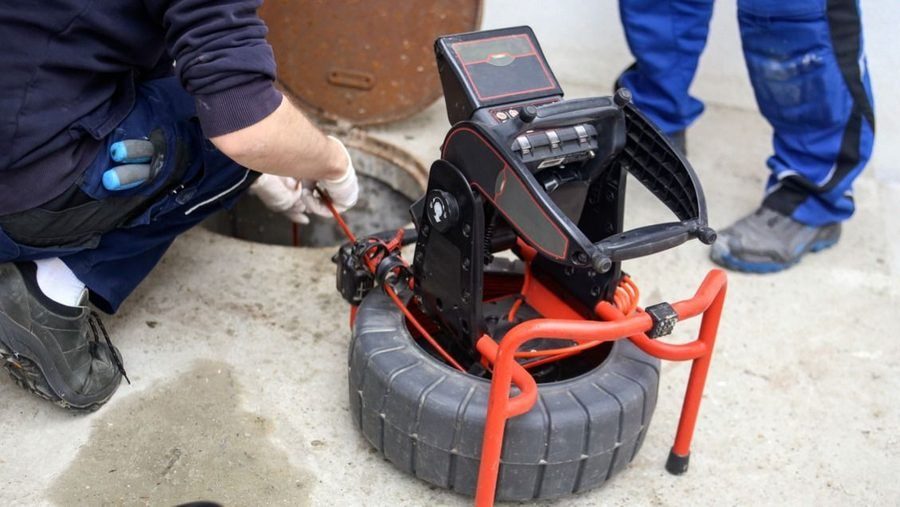
A sewer camera inspection can show what is happening inside the line without guesswork. It helps identify root intrusion, cracks, buildup, and other damage before a serious backup occurs. For homes with recurring spring drainage issues, this is often the most efficient way to find the true cause.
Be Careful What Goes Down the Drain
Good drain habits reduce the risk of buildup in the sewer line. Avoid flushing wipes, paper towels, or hygiene products, and never pour grease down the sink. These simple changes help protect the line and improve flow during the heavy spring thaw.
Address Root and Pipe Damage Early
If a sewer line already has cracks or root intrusion, waiting usually makes the repair more expensive. Early action can prevent repeated backups, reduce damage, and help keep the system working when snowmelt puts extra stress on it.
When to Call a Professional Plumber in Wenatchee
Some plumbing issues can wait a day or two. A potential sewer line backup should not. If you notice repeated drain problems, sewage odors, water backing up into lower fixtures, or multiple clogged drains at once, it is time to call a professional plumber.
A trained plumbing team can inspect the line, identify whether the cause is buildup, roots, pipe damage, or infiltration, and recommend the right repair. That matters because a temporary drain-clearing may not solve the root problem if the sewer line itself is compromised.
For Wenatchee homeowners, local experience matters as well. A plumber who understands how spring snowmelt affects underground sewer systems can identify seasonal patterns and recommend solutions tailored to local conditions. Patriot Plumbing helps homeowners identify the source of sewer issues, protect their property, and restore reliable drainage before the damage gets worse.
Call Patriot Plumbing
Spring snowmelt can reveal sewer line problems that have been building for months or even years. In Wenatchee homes, saturated soil, groundwater infiltration, root intrusion, pipe damage, and household buildup can all combine to create the perfect conditions for a backup.
The good news is that early attention can make a major difference. If you are seeing warning signs such as slow drains, gurgling toilets, or sewer odors, Patriot Plumbing is ready to help with a professional diagnosis and reliable repair. Contact us today to protect your home from spring sewer line backups in Wenatchee.

Built on Experience, Chosen with Confidence