20 YEARS

Upgrading to Tankless Hot Water in Leavenworth: Freeze Protection and Sizing During Alpine Winters
Living in Leavenworth, Washington, means preparing your home for cold temperatures, heavy snowfall, and long winter nights. While homeowners often focus on heating systems and frozen pipes, reliable hot water is just as important during the colder months. If you’re considering replacing a traditional water heater, upgrading to a tankless system may offer an efficient alternative, but winter performance requires careful planning.
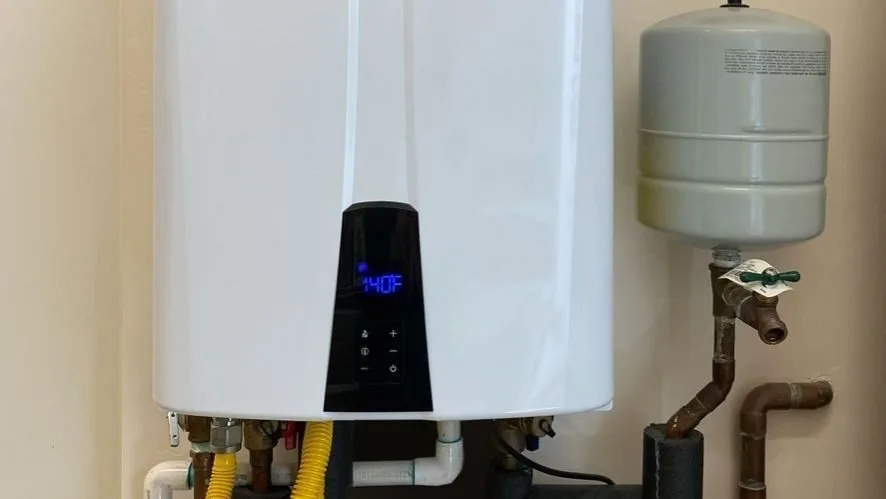
Tankless water heaters heat water on demand rather than storing it in a large tank. However, Leavenworth’s freezing temperatures and colder incoming water can affect equipment selection, installation requirements, and hot water delivery.
In this guide, we’ll explain how tankless water heaters perform during alpine winters, what freeze-protection features homeowners should understand, and how proper sizing helps deliver dependable hot water year-round.
How Do Tankless Water Heaters Work in Cold Climates?
Tankless water heaters operate differently from traditional storage tank systems. Instead of continuously maintaining a supply of heated water, they activate when a hot water fixture opens and heat water as it flows through the equipment.
This on-demand operation can reduce standby energy losses associated with storing hot water. However, a tankless system must have enough heating capacity to meet the household’s needs.
During Leavenworth winters, incoming water temperatures may be considerably colder than during warmer months. The system must work harder to raise that water to the desired delivery temperature.
Three factors determine tankless water heater performance:
-
Incoming water temperature: Colder water requires more heating energy to reach the desired temperature.
-
Temperature rise: The difference between incoming water temperature and the requested hot water temperature.
-
Flow rate: The amount of water the system can heat and deliver, measured in gallons per minute (GPM).
For example, heating incoming water from 40°F to 120°F requires an 80°F temperature rise. Heating water from 60°F to 120°F requires only a 60°F rise.
These temperatures are illustrative, not measured conditions for Leavenworth homes.
As the required temperature rise increases, a tankless unit generally delivers less hot water at one time.
This makes proper equipment sizing especially important in colder climates.
Can a Tankless Water Heater Freeze During a Leavenworth Winter?
Yes, tankless water heaters can freeze when exposed to sufficiently low temperatures without adequate protection. Although many models include built-in freeze-protection features, these systems have operating limitations that homeowners should understand.
Leavenworth experiences extended periods of freezing weather, making installation location and exposed plumbing important considerations.
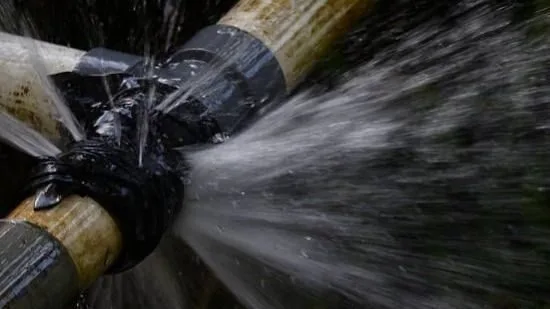
Water remaining inside a tankless unit or its connected piping can freeze when temperatures drop below freezing. As water freezes and expands, it may damage internal components, fittings, or water lines.
Outdoor installations and equipment located in unheated spaces may face greater exposure.
Common freeze-related vulnerabilities include:
-
Exposed water connections: Pipes entering or leaving the unit may freeze even when internal components have protection.
-
Unconditioned spaces: Garages, crawl spaces, and other cold areas may expose equipment to freezing temperatures.
-
Power outages: Built-in freeze protection may stop functioning when electricity is unavailable.
-
Extended vacancies: Seasonal properties may freeze while unoccupied.
-
Improper installation: Inadequate insulation or unsuitable equipment placement can increase the risk of freezing.
Built-in freeze protection doesn’t guarantee that a tankless water heater will survive every winter condition.
Homeowners should follow manufacturer requirements and work with a qualified plumber to determine whether the installation location provides adequate protection.
What Freeze-Protection Features Should Homeowners Look For?
Many modern tankless water heaters include features designed to help protect internal components from freezing under specified operating conditions.
Depending on the model, these systems may use internal electric heating elements, temperature sensors, or automatic controls to maintain temperatures above critical thresholds.
However, protection capabilities vary widely by manufacturer and model. Some systems require continuous electrical power, while others have additional installation restrictions related to ambient temperatures.
For Leavenworth homeowners, indoor installation in an appropriately protected location may help reduce exposure to extreme winter conditions.
Connected water lines also require attention because internal freeze protection may not extend to external plumbing. A professional installer can evaluate whether pipe insulation, approved heat tracing, or other protective measures are appropriate.
Seasonal properties require additional planning. If a home will remain unoccupied during freezing weather, manufacturer-approved winterization procedures may be necessary. Simply turning off the water heater doesn’t automatically protect it from freezing.
How Do You Size a Tankless Water Heater for Your Leavenworth Home?
Proper sizing is one of the most important considerations when upgrading to tankless hot water.
Unlike traditional storage tank systems, which are commonly evaluated using storage capacity and recovery performance, tankless units must be sized around the amount of hot water needed at one time.
A household with several bathrooms may require significantly more simultaneous hot water capacity than a smaller home with fewer fixtures.
Common fixtures to consider during sizing include:
-
Showers: Multiple showers running at once can create substantial demand.
-
Kitchen faucets: Dishwashing and food preparation may require additional hot water.
-
Bathroom faucets: Several sinks may be used at the same time.
-
Dishwashers: Hot water demand depends on the appliance’s design and operating cycle.
-
Washing machines: Certain cycles may draw hot water from the home’s plumbing system.
-
Other fixtures: Large tubs and specialty plumbing fixtures may increase demand.
A plumber can estimate the combined flow rate of fixtures likely to operate at the same time.
The next step is determining the temperature rise required during colder months. For example, a tankless unit advertised as delivering a particular maximum GPM may provide less hot water when incoming water temperatures are especially low.
This doesn’t necessarily indicate a malfunction. It reflects the amount of heating energy required to raise colder water to the desired temperature.
For homeowners in Leavenworth, Cashmere, and Peshastin, sizing based on winter conditions helps reduce the risk of disappointing hot water performance.
A properly selected system should account for both household demand and the expected incoming water temperature.
Gas vs. Electric Tankless Water Heaters: Which Works Better in Winter?
Both gas and electric tankless water heaters can provide hot water during cold weather, but their installation requirements and heating capacities differ.
Gas tankless water heaters often provide substantial heating output, making them an option for households with higher simultaneous hot water demand.
However, gas systems require adequate fuel supply capacity and compliant combustion air and venting arrangements.
Many gas tankless units also require electricity for electronic controls, ignition, and other operating components.
Electric tankless water heaters don’t require combustion venting, but whole-home models can place significant demands on a property’s electrical system.
Some homes may need electrical upgrades to support the required equipment. The best choice depends on household hot water demand, existing utilities, available installation space, and winter performance requirements.
Neither fuel type is automatically the right solution for every Leavenworth property. A professional evaluation can help homeowners compare options based on their specific needs.
What Installation Mistakes Can Cause Winter Hot Water Problems?
Even a high-quality tankless water heater may perform poorly if it isn’t selected or installed properly.
One common mistake is choosing equipment based only on its advertised maximum flow rate. Without accounting for cold incoming water, the unit may struggle to meet simultaneous demand during winter.
Installation location is another important consideration. Equipment placed in an inadequately protected area may be exposed to freezing temperatures, while improperly protected piping can remain vulnerable even when the water heater includes internal freeze protection.
Other installation concerns include insufficient gas supply capacity, inadequate electrical service, improper venting, and incorrect condensate management where applicable. These issues can affect performance, reliability, or safety.
Professional tankless water heater installation in Leavenworth, WA, should account for the property’s utilities, expected hot water usage, winter conditions, and applicable installation requirements.
How Can You Maintain Your Tankless Water Heater Through Winter?
Regular maintenance helps tankless water heaters operate efficiently and reliably year-round. Over time, mineral deposits can accumulate inside the heat exchanger, particularly when the water supply contains elevated mineral concentrations.
This buildup may restrict heat transfer and affect hot water performance. Maintenance requirements depend on the equipment model, water quality, and manufacturer recommendations.
Practical winter maintenance tips include:
-
Follow the manufacturer’s recommended inspection and maintenance schedule.
-
Arrange professional descaling or flushing when appropriate.
-
Check accessible plumbing connections for visible leaks.
-
Make sure vulnerable water lines have appropriate freeze protection.
-
Understand whether built-in freeze protection requires continuous electrical power.
-
Keep applicable exterior vent terminals clear of snow and ice.
-
Watch for unusual error codes or changes in hot water delivery.
-
Arrange proper winterization for seasonal properties when necessary.
Homeowners should avoid dismantling internal components or attempting repairs involving gas, electricity, or combustion systems.
If hot water delivery becomes inconsistent during winter, a professional inspection can help determine whether the issue involves mineral buildup, insufficient capacity, or another equipment problem.
Upgrade Your Leavenworth Hot Water System With Patriot Plumbing
Tankless water heaters can be an excellent option for Leavenworth homeowners seeking dependable hot water without a traditional storage tank. However, alpine winters bring important considerations, including freezing temperatures, cold incoming water, equipment capacity, and installation location.
Patriot Plumbing helps homeowners throughout Leavenworth and surrounding Central Washington communities evaluate their water heating needs. Professional sizing and installation can help determine whether a tankless system is appropriate for your household and what protective measures may be necessary during winter.
If you’re considering upgrading to tankless hot water or replacing an aging water heater, contact Patriot Plumbing today. Our team can help you explore options, understand installation requirements, and choose a water-heating solution suited to your home’s needs and Leavenworth’s demanding winter conditions.
Built on Experience, Chosen with Confidence