
Matt Is Back. Patriot Plumbing is Locally Owned Once Again!

Burst Pipe Emergency in Wenatchee: What to Do Before the Plumber Arrives
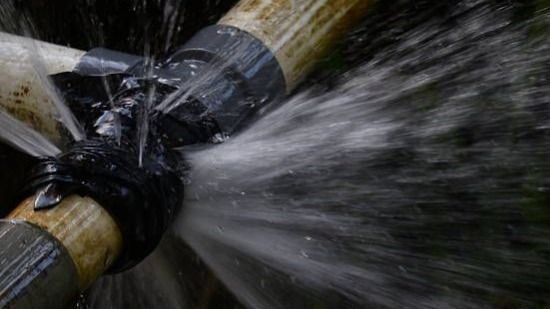
A burst pipe can turn an ordinary day into a plumbing emergency within minutes. Water can quickly spread across floors, soak into drywall, and damage furniture and personal belongings, so act immediately to protect your home.
For homeowners in Wenatchee, WA, freezing winter temperatures can increase the risk of burst pipes, especially where plumbing is exposed to cold air. Knowing how to respond before a professional plumber arrives can help limit water damage and prevent an already stressful situation from becoming worse.
In this guide, we’ll explain what to do when a pipe bursts, how to safely shut off your home’s water supply, and what Wenatchee homeowners can do to reduce damage while waiting for professional plumbing repairs.
Why Pipes Burst During Wenatchee Winters
Wenatchee experiences freezing temperatures throughout winter, creating conditions that can put residential plumbing at risk. Pipes located in unheated or poorly insulated areas are especially vulnerable when temperatures remain below freezing for extended periods.
When water freezes inside a pipe, expanding ice can create pressure within the plumbing system. This pressure may eventually cause the pipe to crack or rupture, sometimes at a location away from the actual ice blockage.
Common areas where pipes may be vulnerable include:
-
Crawl spaces: Exposed plumbing may freeze without adequate insulation.
-
Garages: Pipes in unheated garages can be affected by prolonged cold weather.
-
Exterior walls: Plumbing near poorly insulated exterior surfaces may be exposed to colder conditions.
-
Outdoor faucets: Connected water lines can freeze when hoses remain attached or winterization is incomplete.
-
Unheated utility spaces: Pipes in areas without sufficient heating may be at greater risk.
A frozen pipe doesn’t always leak immediately. In some cases, homeowners discover a rupture only when the ice begins thawing and water escapes through the damaged section.
Understanding these risks can help you spot potential plumbing problems before they cause extensive damage.
Step 1: Shut Off Your Home’s Main Water Supply Immediately
If a pipe bursts, your first priority should be stopping the flow of water, provided you can reach the shutoff valve safely. Turning off the main water supply can prevent additional water from entering the damaged pipe and reduce the amount of flooding.
Your home’s main water shutoff valve is typically located near where the main water line enters the building. Depending on the home’s construction, you may find it in a basement, crawl space, utility room, or garage.
To shut off the water:
-
Locate the main shutoff valve. Look near the main water line entering your home.
-
Turn the valve to the off position. A wheel-style valve generally closes clockwise, while a lever-style ball valve typically closes when the handle is perpendicular to the pipe.
-
Check whether the water flow has stopped. If the leak continues, avoid forcing a stuck or damaged valve.
-
Contact a professional if necessary. A plumber or your water utility can help if you can’t shut off the water safely.
Homeowners should avoid accessing or operating utility-owned water meters and associated equipment. If you cannot locate or operate your household shutoff valve, contact your water provider for help instead of trying to manipulate the meter assembly.
Knowing where your shutoff valve is located before an emergency occurs can save valuable time when a pipe breaks.
Step 2: Address Electrical Hazards and Protect Your Safety
Water from a burst pipe can create serious electrical hazards, especially when flooding reaches outlets, appliances, extension cords, or electrical panels. Protecting yourself and others should always come before saving household belongings.
If water is approaching electrical equipment, stay away from the affected area. Never enter standing water that may contact energized wiring or appliances.
Important electrical safety precautions include:
-
Avoid flooded electrical equipment: Do not touch outlets, appliances, or electrical panels exposed to water.
-
Stay out of potentially energized water: Standing water near electrical equipment may present a shock hazard.
-
Do not operate unsafe electrical controls: Only shut off electricity if the panel is completely dry and safely accessible.
-
Keep others away: Keep children and pets away from flooded areas.
-
Seek professional assistance: Contact emergency services or a qualified electrician if you suspect electrical hazards.
If you cannot safely access the water shutoff because of electrical hazards, leave the area and call a professional. Never risk electrical shock to stop a plumbing leak.
Step 3: Relieve Remaining Water Pressure and Limit Damage
Once you’ve shut off the main water supply and the area is safe, you can take additional steps to reduce water damage. Even after shutting off the main valve, some water may remain inside your home’s plumbing system.
Opening a cold-water faucet in a safe location can help release residual pressure and let remaining water drain. However, avoid operating fixtures in areas affected by electrical hazards or significant flooding.
You can also take several practical steps to protect your home:
-
Move belongings: When safe, relocate furniture, electronics, rugs, and valuables away from wet areas.
-
Contain small amounts of water: Use towels, buckets, or other materials to collect water from accessible leaks.
-
Protect nearby surfaces: Move items away from areas where water may spread.
-
Document visible damage: Take photos of affected areas for insurance.
-
Avoid unsafe cleanup: Stay away from damaged ceilings, electrical hazards, and areas with potentially contaminated water.
If water is leaking through a ceiling, avoid standing beneath sagging or damaged materials. Saturated drywall and ceiling components can become unstable and may require professional attention.
For significant flooding, you may need professional water damage restoration. Prompt drying can help reduce damage to flooring, drywall, insulation, and other moisture-sensitive materials.
Step 4: Contact an Emergency Plumber in Wenatchee
After taking immediate safety precautions and shutting off the water, contact a qualified plumber in Wenatchee for burst pipe repair. Even if the visible leak has stopped, a plumber must evaluate the damaged section of plumbing before you can safely resume normal water service.
When you contact a plumber, accurate information helps them understand the situation and prepare for the necessary repairs.
Be ready to explain:
-
Where the leak occurred: Identify the room or area where water is escaping.
-
Whether the water is shut off: Let the plumber know if you successfully closed the main valve.
-
What damage is visible: Describe cracked pipes, flooding, or water entering walls and ceilings.
-
Whether freezing is involved: Mention if the pipe was exposed to freezing temperatures.
-
Whether other fixtures are affected: Explain any additional plumbing problems you’ve noticed.
A professional plumber can locate the damaged section, determine the right repair, and assess whether nearby plumbing may have been affected.
Don’t restore water service until the damaged plumbing is repaired and the system is ready for testing.
What Not to Do During a Burst Pipe Emergency
A burst pipe can create pressure, so act quickly, but certain actions may cause additional damage or create unnecessary safety risks. Understanding what to avoid is just as important as knowing the correct emergency response steps.
One common mistake is attempting to thaw frozen pipes using open flames or excessive heat. Torches, propane heaters, and similar equipment can create fire hazards and damage surrounding materials.
Homeowners should also avoid:
-
Forcing damaged valves: Excessive force may break a valve and make the leak harder to control.
-
Attempting complicated repairs: Plumbing work involving damaged pipes may require specialized tools and professional expertise.
-
Turning the water back on too soon: Restoring pressure before repairs are complete can cause additional flooding.
-
Ignoring hidden moisture: Water trapped behind walls or beneath flooring can cause ongoing damage.
-
Using unsafe electrical equipment: Never operate electrical devices in wet areas where shock hazards may exist.
Temporary measures may help contain a small leak, but they shouldn’t replace proper plumbing repairs. If a pipe has ruptured, you need professional service to restore the system safely.
What Happens After the Plumber Repairs Your Burst Pipe?
After the plumber repairs the damaged pipe, the next step is to confirm the plumbing system operates properly. A plumber may gradually restore water pressure, check the repaired section, and inspect for additional leaks.
If freezing caused the rupture, other exposed pipes may also need attention. Identifying vulnerable plumbing areas can help reduce the likelihood of another emergency during the same cold-weather period.
Homeowners should also address any remaining water damage. Wet drywall, flooring, insulation, and other materials may require drying, cleaning, or replacement depending on the extent of moisture exposure.
Documenting the damage and keeping repair records may help when contacting your homeowners insurance provider. Coverage depends on the policy and circumstances, so homeowners should review their specific insurance terms.
A completed plumbing repair stops the leak, but proper cleanup remains important to restore the affected area.
How to Prevent Frozen and Burst Pipes in Wenatchee
Although not every plumbing emergency is preventable, preparing your home for freezing weather can significantly reduce the risk of frozen pipes. Wenatchee homeowners should pay particular attention to plumbing located in unheated or poorly insulated spaces.
Taking preventative steps before temperatures drop can help protect vulnerable pipes throughout winter.
Consider these cold-weather plumbing precautions:
-
Insulate exposed pipes: Protect plumbing in crawl spaces, garages, and other cold areas.
-
Disconnect outdoor hoses: Remove hoses and winterize exterior faucets according to their design.
-
Seal cold-air leaks: Address drafts near plumbing penetrations and exterior walls.
-
Maintain indoor heating: Keep the home adequately heated, including during extended absences.
-
Open cabinet doors when appropriate: Allow warmer indoor air to circulate around pipes along exterior walls.
-
Know your water shutoff location: Make sure household members know how to shut off the water supply during an emergency.
During particularly cold conditions, letting a small amount of water flow from vulnerable fixtures may reduce freezing risk, as recommended by your water utility. However, this shouldn’t replace proper insulation, air sealing, or other preventative measures.
If you suspect a pipe is frozen, avoid using open flames or unsafe heating methods. Contact a professional plumber if you cannot address the situation safely or suspect the pipe has already been damaged.
Get Burst Pipe Repair in Wenatchee With Patriot Plumbing
A burst pipe can cause extensive damage quickly, so a fast, safe response is essential. Shut off the water supply, avoid electrical hazards, and limit water exposure to help protect your home while professional help is on the way.
For Wenatchee homeowners, winter freezing conditions make preparation especially important. Knowing where your main water shutoff valve is and protecting exposed plumbing can reduce the risk of unexpected emergencies.
At Patriot Plumbing, we understand how disruptive burst and frozen pipes can be for homeowners throughout Wenatchee and the surrounding areas. Our team can evaluate damaged plumbing, identify leak sources, and make the right repairs to restore dependable water service.
Whether you’re dealing with a burst pipe, suspected frozen plumbing, or a leak from a damaged line, professional help can prevent further problems. Contact Patriot Plumbing today for burst pipe repair in Wenatchee and get the help you need to protect your home.
Built on Experience, Chosen with Confidence