
Matt Is Back. Patriot Plumbing is Locally Owned Once Again!

How to Prepare Your Plumbing for Spring in East Wenatchee
Spring in East Wenatchee is a season of dramatic change. As the snow recedes from the foothills and the blossoms begin to appear in our world-famous orchards, homeowners must turn their attention to the health of their plumbing systems. The transition from the freezing temperatures of a Douglas County winter to the rapid melt of spring can put unique stresses on your pipes and fixtures.
In this blog, we will provide a comprehensive roadmap for preparing your home for the warmer months ahead. From checking for hidden winter damage to getting your irrigation systems back online, these steps are essential for maintaining a dry and comfortable home.
Waking Up Your Outdoor Irrigation and Sprinkler Systems
For homeowners in East Wenatchee, the arrival of spring signifies the start of the irrigation season. Our local landscape depends on a reliable water supply to keep lawns and gardens vibrant through the dry months. However, simply turning the water back on after a long winter can lead to burst pipes or damaged valves if the system was not properly decommissioned or if the ground shifted during the freeze-thaw cycle.
To properly restart your irrigation and outdoor water systems, follow these technical steps:
- Inspecting Outdoor Faucets: Check your hose bibbs for any signs of “freeze-split” damage that may have occurred behind the wall during the winter.
- Cleaning Sprinkler Heads: Remove any dirt, grass, or mulch that has accumulated over the heads to ensure a proper spray pattern.
- Checking Valve Boxes: Open your irrigation valve boxes and look for standing water or mud, which can indicate a leak in a manifold or a cracked valve body.
- Slow Pressurization: Open the main isolation valve gradually to allow the pipes to fill with water slowly, preventing sudden pressure spikes.
- Testing Zones: Run each sprinkler zone individually to check for broken lines, clogged nozzles, or heads that are not popping up correctly.
- Verifying Backflow Function: Ensure the backflow preventer is not leaking from the relief valve, as this often indicates internal debris or worn seals.
- Scheduling Backflow Testing: Arrange for a certified technician to perform the required annual test on your backflow prevention assembly.
Taking these precautions ensures that your outdoor systems are efficient and leak-free. A well-maintained irrigation system saves water and protects your property from erosion and foundation issues caused by underground leaks.
Inspecting for Winter Freeze Damage in Crawlspaces and Walls
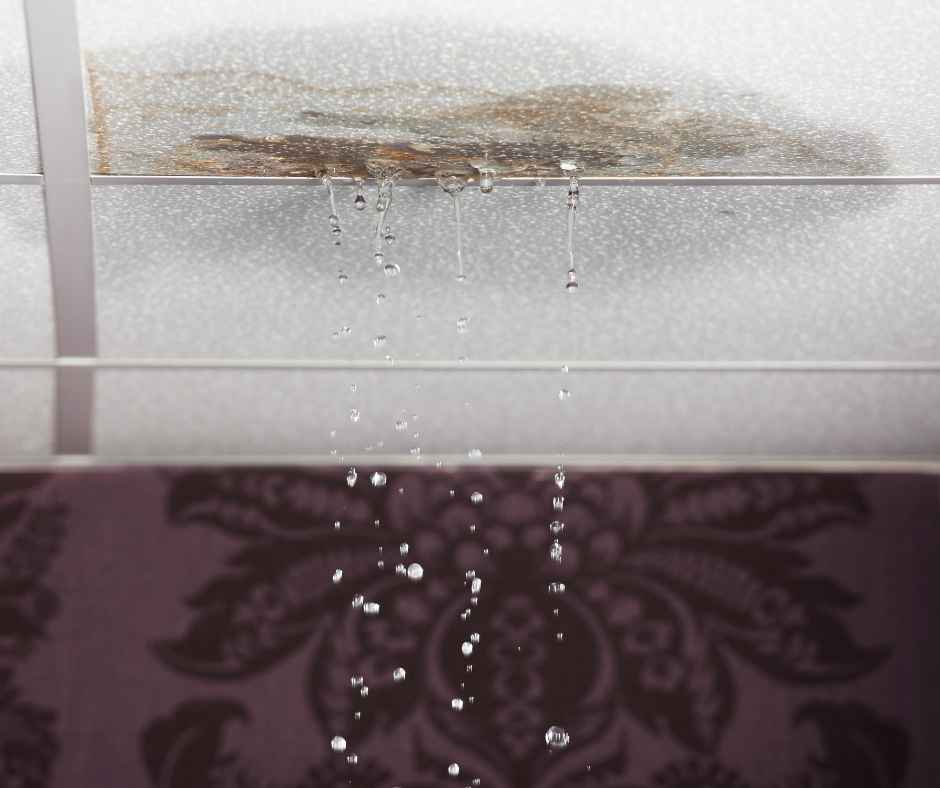
In East Wenatchee, the ground can freeze several inches deep, and temperatures often drop low enough to affect pipes in unheated areas of the home. While a major pipe burst is obvious, the most dangerous issues are the hairline cracks that occur during the winter. These small fractures may stay “sealed” by ice during the coldest months, only to begin leaking once the spring thaw arrives.
To identify and address winter freeze damage throughout your home, use this checklist:
- Checking the Main Shut-off: Verify that your main water shut-off valve is easy to operate in case you discover a major leak during your inspection.
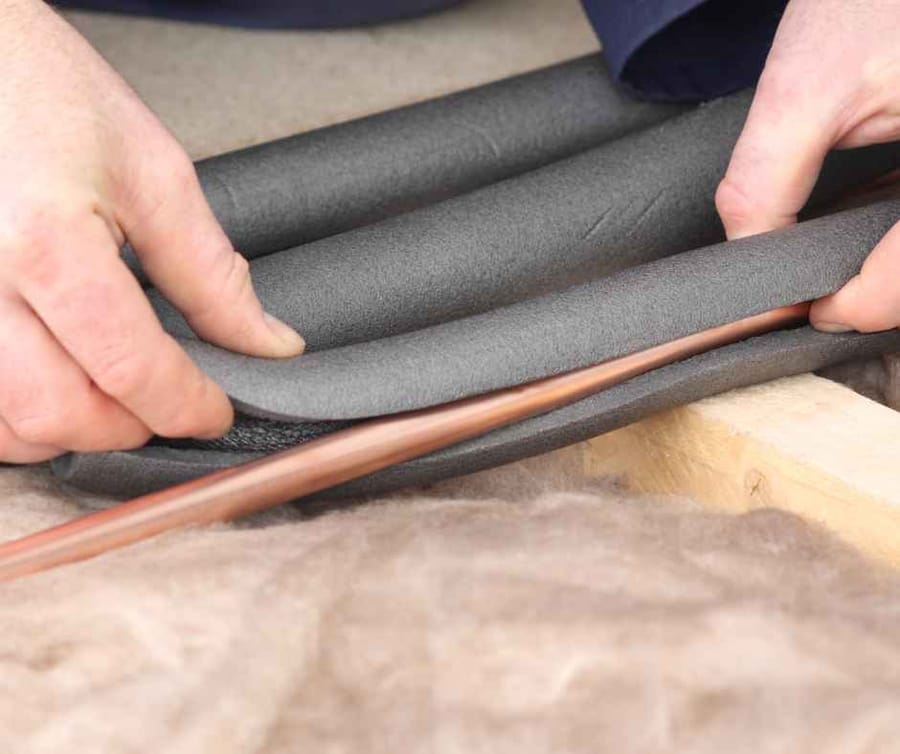
- Inspecting Pipe Insulation: Look for insulation that has fallen off or become saturated, which can hide a leaking pipe underneath.
- Searching for Mold or Mildew: Pay close attention to musty odors in the basement or crawlspace, as these are often the first signs of a persistent leak.
- Testing Exterior Walls: Feel for cold or damp spots on interior walls that share space with outdoor plumbing fixtures.
- Verifying Water Pressure: A sudden drop in water pressure throughout the house can indicate a significant leak in the main supply line.
- Examining Pipe Joints: Check all elbows and tees for signs of “sweating” or corrosion, which often occurs at the weakest points of the plumbing.
- Monitoring the Water Meter: Perform a timed meter check once a week in March to ensure no new leaks have developed.
Early detection of freeze damage prevents the high costs associated with mold remediation and structural repairs. Taking the time to look beneath your home provides peace of mind that your plumbing is ready for the year ahead.
Managing Runoff: Sump Pumps and Perimeter Drainage
East Wenatchee’s position in the Columbia River valley makes it susceptible to significant spring runoff as mountain snowpack melts. This influx of water saturates the soil and puts immense pressure on your home’s foundation and drainage systems. A well-maintained sump pump is your primary defense against basement flooding during this high-moisture season.
Testing your pump and clearing your perimeter drains now ensures that water is directed away from your home rather than into your crawlspace. This prevents structural damage and costly mold issues. Proper plumbing maintenance for runoff management includes these essential steps:
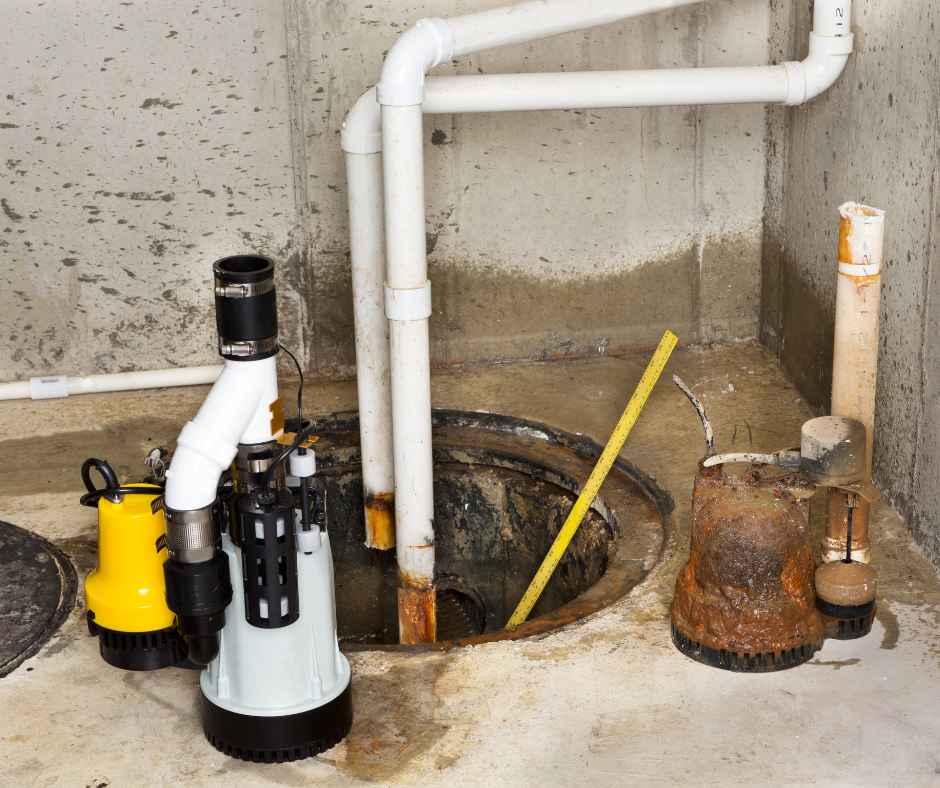
- Testing the Sump Pump: Pouring a bucket of water into the basin to ensure the float switch triggers and the pump clears the water quickly.
- Cleaning the Sump Basin: Removing any silt, gravel, or debris that could clog the intake screen and burn out the motor.
- Checking the Discharge Line: Verifying that the exit pipe is clear of obstructions and carries water at least ten feet away from the foundation.
- Inspecting Perimeter Drains: Clearing leaves and pine needles from catch basins and French drains to prevent surface water from pooling.
- Testing Backup Systems: Ensuring your battery backup or water-powered backup pump is operational in case of a spring storm power outage.
- Cleaning Gutters and Downspouts: Removing winter debris so that roof runoff doesn’t saturate the ground directly next to your basement walls.
- Verifying the Check Valve: Making sure the valve is working so that pumped water doesn’t flow back into the pit once the cycle ends.
Keeping these drainage pathways clear allows your home to handle the sudden volume of the spring thaw. Regular maintenance of these systems is the most effective way to protect your lower levels from water intrusion.
Indoor Refresh: Water Heater and Fixture Performance
Your water heater likely worked overtime during the cold winter in East Wenatchee. Spring is the ideal time to flush out accumulated sediment and check for signs of wear. Similarly, inspecting indoor fixtures for leaks or mineral buildup ensures your home remains efficient and prevents minor drips from becoming costly water bills.
Sediment buildup acts as an insulator, forcing your heater to use more energy and causing the tank to deteriorate faster. Taking these indoor plumbing maintenance steps now will improve system performance and prolong the life of your appliances:
- Flushing the Water Heater: Draining the tank to remove sediment that settled during the high-demand winter months.
- Testing the Relief Valve: Briefly opening the temperature and pressure relief valves to ensure they aren’t stuck or leaking.
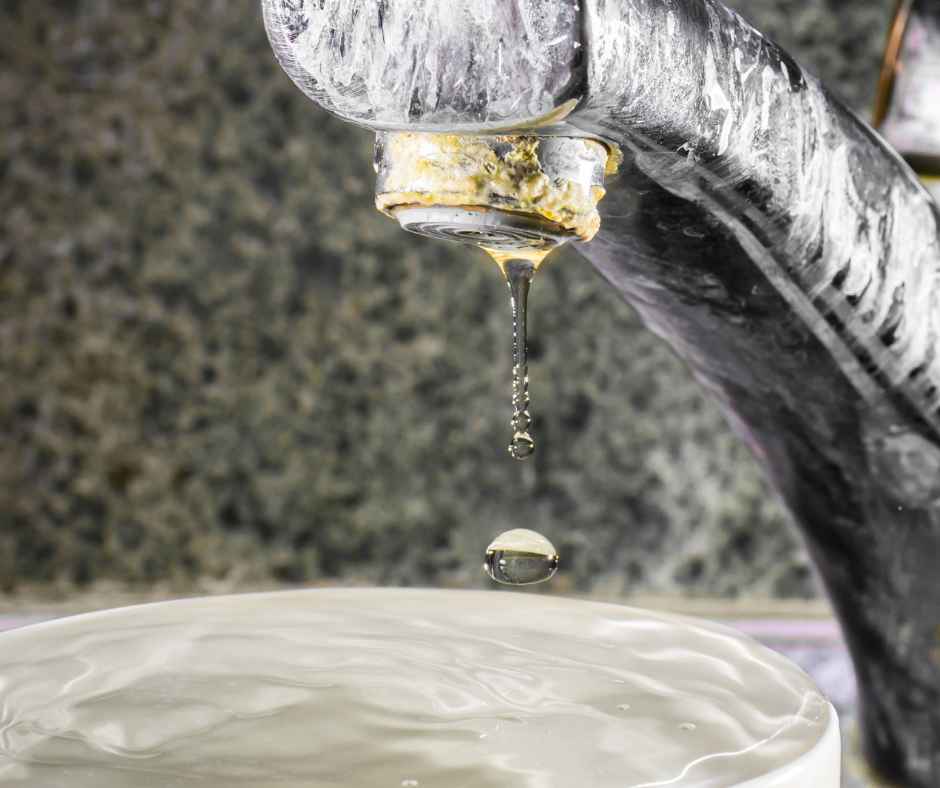
- Cleaning Faucet Aerators: Removing and rinsing aerators to restore full water pressure and remove mineral deposits.
- Inspecting Supply Lines: Checking the flexible hoses on your washing machine and dishwasher for cracks or bulges.
- Performing a Toilet Dye Test: Placing food coloring in the tank to see if it leaks into the bowl, indicating a worn flapper.
- Checking Under-Sink Cabinets: Using a flashlight to look for moisture or water stains on the floor of your vanity or kitchen cabinets.
- Verifying Shut-off Valves: Turning the emergency valves under your sinks and toilets to ensure they haven’t seized over time.
Regular indoor checks catch small issues before they impact your daily comfort. These simple tasks are a high-value part of your home’s seasonal health.
The Benefit of a Professional Spring Plumbing Inspection
While DIY maintenance is helpful, a professional inspection from Patriot Plumbing provides greater peace of mind. Our technicians use advanced diagnostic tools to identify hidden vulnerabilities in your system that are invisible to the naked eye. This includes thermal imaging for leak detection and professional pressure testing.
In East Wenatchee, where the landscape and weather can be unpredictable, having a licensed plumber verify your system’s integrity is invaluable. A professional spring tune-up offers several long-term advantages for your household:
- Accurate Leak Detection: Finding small cracks in main lines before they cause major property damage or high water bills.
- Irrigation Efficiency: Optimizing your sprinkler system to reduce water waste and protect your Douglas County landscaping.
- Peace of Mind: Knowing your home is fully prepared for the seasonal transition without the threat of sudden failures.
Get Your Home Ready for an East Wenatchee Spring
Preparing your plumbing for the spring thaw is essential for protecting your East Wenatchee property. By following this checklist, you can manage runoff effectively and ensure your irrigation system is ready for the growing season.
Patriot Plumbing is here to provide the expert care and local knowledge your home deserves. To schedule your professional spring plumbing inspection and ensure your systems are in top shape, contact us today.

Built on Experience, Chosen with Confidence