
Matt Is Back. Patriot Plumbing is Locally Owned Once Again!

Why Hard Water Is a Common Problem in Central Washington
For residents of Central Washington, the landscape is defined by its rugged beauty and rich agricultural history. However, beneath the surface of the Columbia Basin lies a geological reality that significantly impacts the quality of our daily lives. Many homeowners in cities like Yakima and Wenatchee struggle with persistent issues, such as white film on glassware or skin that feels perpetually dry. These are not mere cosmetic annoyances; they are the direct result of the high mineral content of our local water supply. Hard water is a nearly universal experience in this region, yet many people do not realize the extent of the damage it can cause to their property over time.
In this blog, we will examine the environmental factors that contribute to the hardness of our water and explore the long term effects on your plumbing and appliances. Whether you rely on municipal water or a private well, recognizing the unique challenges of Central Washington’s water supply is essential to maintaining a healthy, efficient household.
The Geological Source of Hard Water in Our Region
The high mineral content in our water is a result of the volcanic activity that shaped the Pacific Northwest. Central Washington lies within the Columbia River Basalt Group, one of the largest lava flows in the world. As snowmelt from the Cascades travels toward Yakima and Wenatchee, it filters through layers of basalt, limestone, and volcanic ash. This process allows the water to dissolve significant amounts of calcium and magnesium. By the time it reaches our aquifers, it is heavily enriched with these elements.
The soil that makes the Yakima Valley perfect for hops and apples is also why our water is so hard. Unlike the soft water in Western Washington, our water is classified as very hard. In the Columbia Basin, hardness levels often exceed ten grains per gallon. This geological reality means the water entering your home carries a constant payload of dissolved rock. These minerals are naturally occurring and are not removed by municipal treatment, leaving water conditioning as the homeowner’s responsibility
How Hard Water Impacts Your Daily Life
The presence of dissolved minerals in your water supply affects more than just the taste of your drinking water. Hard water interacts with the chemistry of everyday household products, often leading to frustrating results in the kitchen and the bathroom. For residents of Central Washington, these issues are a constant presence that can increase the amount of time and money spent on cleaning and personal care.
The following list describes how high mineral levels interfere with your daily routine:
- Soap Scum and Scale: When calcium and magnesium react with soap, they form a sticky, gray curd known as soap scum. This substance clings to shower walls, bathtubs, and sinks, requiring aggressive scrubbing and harsh chemicals to remove.
- Ineffective Cleaning: Hard water prevents soap and detergent from lathering properly. This means you must use more product to achieve a clean result, leading to wasted money on laundry soap, shampoo, and dish detergent.
- Spotted Glassware and Dishes: As water evaporates from your dishes, the minerals stay behind. This leaves unsightly white spots and a cloudy film on glasses and silverware, making clean dishes appear dirty.
- Skin and Hair Irritation: The film left by hard water doesn’t just stick to your shower walls; it also sticks to your body. Many local residents suffer from dry, itchy skin and brittle hair because the minerals strip away natural oils, leaving a residue that clogs pores.
- Dull and Stiff Laundry: Clothing washed in hard water often loses its brightness and feels scratchy to the touch. Mineral deposits become trapped in the fabric fibers, causing them to wear out faster and lose their softness.
The Hidden Toll on Your Home’s Infrastructure
While the surface-level effects of hard water are easily visible, the most expensive damage occurs where you cannot see it. Within the closed systems of your home, such as plumbing and major appliances, minerals constantly settle and solidify. This process creates a hidden burden that reduces your home’s efficiency and leads to premature mechanical failure.
- Water Heater Inefficiency: The water heater is particularly vulnerable to the effects of our local water. As water heats, minerals precipitate and form a layer of scale at the bottom of the tank. This layer acts as an insulator, forcing the unit to run longer and hotter to warm the water. This additional strain significantly shortens the appliance’s lifespan.
- Reduced Water Pressure: Over several years, mineral scale can build up in your pipes, effectively narrowing the pipe diameter. This leads to a gradual but noticeable drop in water pressure throughout the house.
- Appliance Longevity: Dishwashers and washing machines rely on clear internal valves and pumps to function. Mineral buildup can clog these small components, leading to leaks or motor burnouts.
- Pipe Corrosion: While the scale itself is a problem, it can also lead to localized corrosion under the mineral deposits, which eventually causes pinhole leaks in copper or galvanized steel piping.
Recognizing the Signs of Hard Water in Your Home
Many homeowners in Central Washington live with the effects of hard water for years without realizing there is a solution. Because the transition to mineral-heavy water often happens slowly as seasonal snowmelt or groundwater levels shift, you might not notice the gradual decline in your plumbing performance. Identifying the symptoms early can help you take action before your appliances require an expensive replacement.
You should look for these common indicators in your own household:
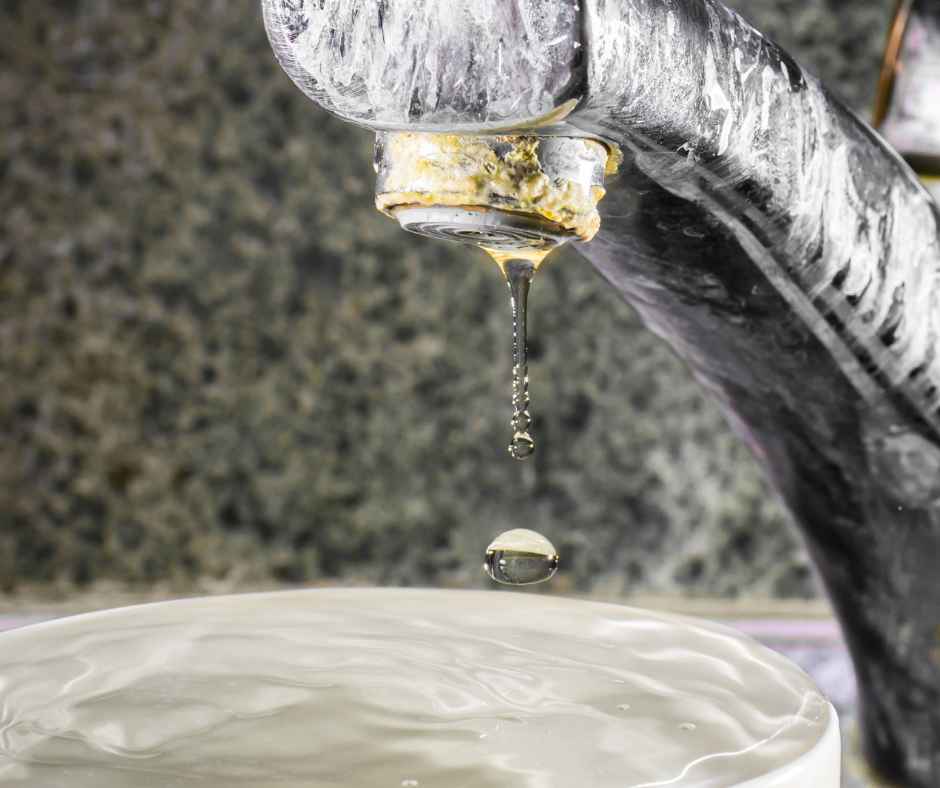
- White Crusty Deposits: Inspect your faucets and showerheads for a chalky, white buildup. This is calcium carbonate, a clear sign that your water has a high mineral concentration.
- Frequent Plumbing Repairs: If you find yourself constantly replacing faucet aerators or toilet flappers, the abrasive nature of mineral scale is likely the culprit.
- Low Water Flow: A sudden or gradual decrease in water pressure from a single fixture often means that the internal screen is clogged with mineral pebbles.
- Cloudy Ice Cubes: While some cloudiness is normal, very hard water produces ice that looks white and opaque rather than clear.
- The “Slippery” Feeling: If you feel like you can never fully rinse the soap off your skin after a shower, it is because the minerals are preventing the soap from dissolving properly.
Sustainable Solutions for Softening Local Water
Fortunately, you do not have to settle for the damage caused by the geology of the Columbia Basin. There are several professional solutions available that can neutralize or remove these minerals before they enter your home’s system. The most common and effective method is installing a whole-home water softener. These systems use a process called ion exchange to swap calcium and magnesium ions for sodium or potassium ions. This results in water that is gentle on your skin, your clothes, and your pipes.
For those looking for a more comprehensive approach, combining a water softener with a carbon filtration system can improve both the texture and the taste of your water. Modern systems are designed to be highly efficient, using minimal salt and water during their regeneration cycles. By investing in a water conditioning system, you are not just improving your quality of life; you are also extending the lifespan of every water-using appliance in your home. This proactive step can save you thousands of dollars in repair and replacement costs over the next decade.
Protecting Your Home from Mineral Damage
Living in Central Washington means dealing with the unique environmental factors of the Pacific Northwest. While the volcanic history of our region has provided us with beautiful landscapes and fertile soil, it has also left us with some of the hardest water in the country. By recognizing the signs of mineral buildup and understanding the hidden toll it takes on your infrastructure, you can take the necessary steps to protect your investment.
Choosing a professional softening solution will save you time on cleaning, money on energy bills, and the headache of premature appliance failure. For expert advice on water conditioning and to schedule a test of your home’s supply, contact us today at Patriot Plumbing.
Frequently Asked Questions (FAQ)
Is hard water in Central Washington safe to drink?
Yes, hard water is generally safe for human consumption. The minerals found in our local supply, such as calcium and magnesium, are actually essential nutrients. The primary concern with hard water is not health but the mechanical damage it causes to your home and the irritation it causes to your skin and hair.
How do I know the exact hardness level of my water in Yakima?
While you can look for the signs of scale, the only way to know your exact grain count is through a professional water test. Many municipal water reports provide an average, but hardness can vary significantly between neighborhoods or when using a private well.
Can I just use a liquid descaler instead of a water softener?
Liquid descalers are helpful for cleaning specific fixtures, such as a coffee pot or showerhead, but they do not provide a systemic solution. They cannot protect the miles of piping inside your walls or the internal components of your water heater and dishwasher.
Will a water softener make my water taste salty?
No, a properly functioning water softener should not add a salty taste to your water. The ion exchange process uses a very small amount of salt to clean the resin beads, and the excess is flushed away. Most people find that softened water actually tastes better because the metallic mineral tang has been removed.
Does hard water affect the efficiency of my soap?
Hard water significantly reduces soap’s effectiveness. In Central Washington, you may find that you have to use up to fifty percent more detergent to get your laundry clean compared to someone living in a soft water area. Softening your water allows you to use much less product.

Built on Experience, Chosen with Confidence