
Matt Is Back. Patriot Plumbing is Locally Owned Once Again!

When to Replace Your Water Heater in Wenatchee Valley Homes
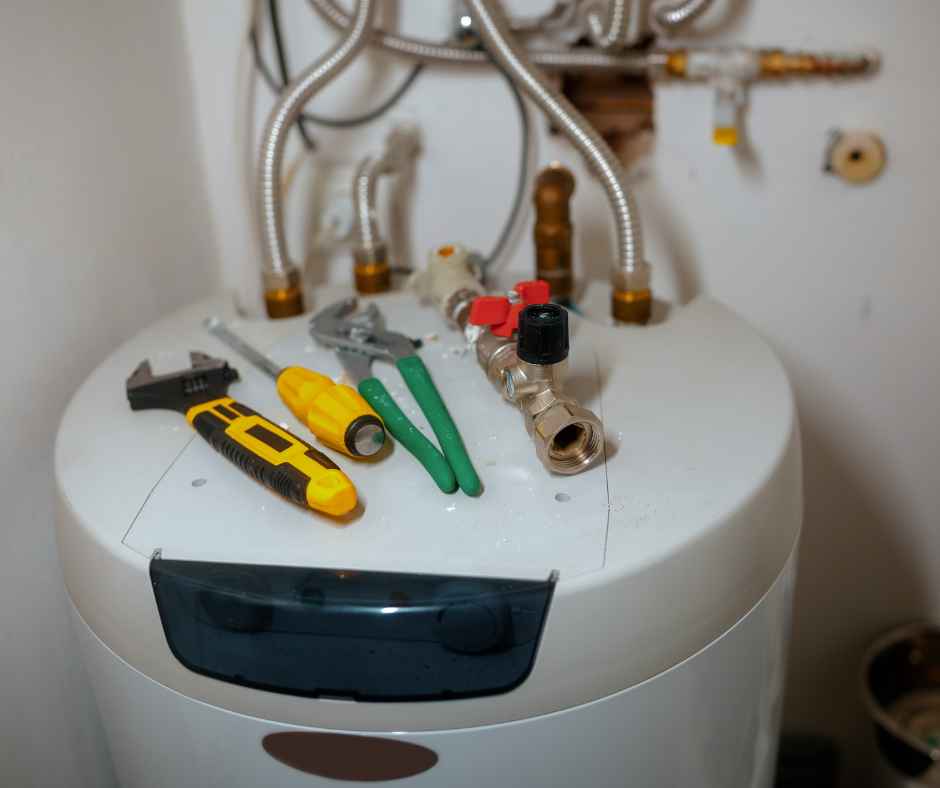
Wenatchee Valley homeowners should consider replacing a water heater when it is 10 years old or older, leaking from the tank, producing rusty water, making loud popping sounds, or no longer providing enough hot water. Replacement is usually the safest long-term choice when repairs become frequent, energy bills rise, or the unit shows signs of corrosion.
Hot water is essential for showers, laundry, dishes, cleaning, and everyday comfort. When your water heater starts acting up, it can be tempting to schedule another repair and move on. But at a certain point, repairs stop being practical, and replacement becomes the smarter option.
In this guide, we will explain when Wenatchee Valley homeowners should replace a water heater, which warning signs matter most, and how Patriot Plumbing can help you choose the right solution for your home.
Why Water Heater Timing Matters for Wenatchee Valley Homes
A water heater rarely fails at a convenient time. Many homeowners only think about replacement after there is no hot water, water is pooling around the tank, or a leak has already caused damage.
Planning ahead can help you avoid:
- Cold showers
- Emergency plumbing calls
- Water damage
- Mold concerns
- Higher utility bills
- Repeated repair costs
- System failure during guests, holidays, or winter weather
Water heaters work hard every day. Over time, sediment builds up, metal components wear down, and the tank becomes more vulnerable to corrosion. Once the unit reaches the end of its service life, small problems can turn into expensive emergencies.
Patriot Plumbing serves Wenatchee and nearby communities with plumbing service, water heater support, repairs, and installations for local homeowners.
How Long Does a Water Heater Last?
Most traditional tank water heaters last about 8 to 12 years, depending on maintenance, water quality, usage, and installation quality. Tankless water heaters can often last longer with proper maintenance, but they still need regular service and eventual replacement.
A simple age-based guide looks like this:
- Under 8 years old: Repair may be reasonable if the problem is minor.
- 8 to 10 years old: Compare repair cost, tank condition, and performance.
- 10 years or older: Replacement is often the better long-term investment.
- Any age with a leaking tank: Replacement is usually necessary.
Age alone does not always mean a water heater must be replaced. A well-maintained unit may last longer than expected. However, if an older water heater is also leaking, noisy, rusty, or unreliable, replacement should move to the top of the list.
Signs It Is Time to Replace Your Water Heater
Some water heater problems can be repaired. Others point to a system that is nearing failure. Wenatchee Valley homeowners should watch for the following warning signs.
Your Water Heater Is Leaking From the Tank
A leak from a valve, pipe connection, or fitting may be repairable. A leak from the tank itself is different.
When the tank begins to leak, it often means corrosion has weakened the inner lining. Once that happens, the tank usually cannot be repaired reliably. Waiting can lead to a larger leak, floor damage, wall damage, and possible mold growth.
Call a plumber right away if you notice:
- Water pooling under the tank
- Moisture around the base
- Rust streaks on the tank
- Damp drywall or flooring near the unit
- A leak that returns after cleanup
A leaking water heater should never be ignored, especially if the tank is older.
Your Hot Water Looks Rusty or Discolored
Rusty water from hot taps can indicate corrosion inside the water heater. If only the hot water looks rusty, the tank may be the source. If both hot and cold water are discolored, the issue could involve the home’s plumbing or water supply.
Warning signs include:
- Brown, orange, or reddish hot water
- Metallic-smelling water
- Stains in sinks, tubs, or laundry
- Rust around water heater fittings
- Corrosion near the tank connections
Rust inside the tank usually gets worse over time. If corrosion is spreading, replacement may be safer than repeated repairs.
You Keep Running Out of Hot Water
If your water heater used to meet your household’s needs but now runs out of hot water quickly, the unit may be losing performance. Sediment buildup inside the tank can reduce the amount of available hot water and make the system work harder.
This can show up as:
- Shorter showers
- Lukewarm water
- Hot water that runs out during laundry
- Delayed recovery after use
- Trouble supplying multiple fixtures
- Inconsistent water temperature
Sometimes this issue can be resolved with a thermostat adjustment, a heating element replacement, or a maintenance flush. But if the unit is older, undersized, or full of sediment, replacement may be the better option.
The Tank Is Making Popping, Rumbling, or Banging Noises
Water heaters should not be loud. Popping or rumbling noises often come from sediment that has hardened at the bottom of the tank. As water heats beneath the sediment, steam bubbles can form, creating noise.
Noises may point to:
- Sediment buildup
- Reduced efficiency
- Overheating at the bottom of the tank
- Extra stress on the tank
- Aging internal components
Annual flushing can help reduce sediment and extend the life of a water heater. Rheem notes that flushing and anode rod maintenance are two common ways to reduce sediment buildup and corrosion.
If a noisy water heater is already older, replacement may make more sense than trying to extend the life of a worn-out tank.
Your Energy Bills Are Going Up
Water heating can be a major part of household energy use. The U.S. Department of Energy has continued updating efficiency standards for residential water heaters because water heating has a meaningful impact on home energy costs.
An aging water heater may use more energy because it has to work harder to heat the same amount of water. Sediment, worn components, poor insulation, and outdated equipment can all reduce efficiency.
Consider replacement if you notice:
- Higher utility bills without another clear cause
- Longer recovery time after hot water use
- More frequent heating cycles
- A water heater that feels overworked
- Poor performance during normal household routines
A newer water heater may offer better efficiency, more reliable hot water, and lower operating costs over time.
You Are Paying for Frequent Repairs
One repair does not always mean a water heater needs to be replaced. But repeated repairs are a sign that the unit may be nearing the end of its service life.
Replacement may be the better choice when:
- Repairs are happening every year
- The same problem keeps returning
- Repair costs are adding up
- Parts are harder to find
- The unit is 10 years old or older
- You no longer trust the system to work reliably
A common rule is to think carefully before approving a repair that would cost a large portion of the cost of a new system. If the repair only buys a little time, replacement may be the more practical decision.
Wenatchee Valley Factors That Can Affect Water Heater Life
Local home conditions can affect how long a water heater lasts. Wenatchee Valley homes may vary widely in age, plumbing layout, water heater location, and household demand.
Factors that can shorten water heater life include:
- High daily hot water use
- Large families or frequent guests
- Hard water or mineral buildup
- Lack of annual maintenance
- Poor installation
- Basement, garage, or utility room moisture
- High water pressure
- Aging plumbing connections
- Failure to replace the anode rod
Water quality and sediment are especially important. Mineral buildup can reduce efficiency, create noise, and shorten the system’s lifespan. If you are unsure whether your water heater has been properly maintained, a professional inspection can help you assess its condition.
Should You Replace With a Tank or Tankless Water Heater?
When replacement is the right choice, homeowners often ask whether they should choose a traditional tank water heater or upgrade to a tankless system.
A traditional tank water heater may be a good fit if you want:
- Lower upfront installation cost
- A familiar system
- Stored hot water ready for use
- A straightforward replacement
- Reliable performance for typical household needs
A tankless water heater may be a good fit if you want:
- Hot water on demand
- Space savings
- Better long-term efficiency potential
- Longer system life with proper maintenance
- Less standby energy loss
- A modern upgrade for your home
The best option depends on your household size, budget, fuel source, plumbing layout, electrical capacity, and hot water habits. A professional plumber can help you compare both options before you decide.
When Repair May Still Make Sense
Not every water heater problem requires replacement. Repair may still be the right call when the unit is newer and the issue is isolated.
Repair may make sense if:
- The unit is less than 8 years old
- The tank is not leaking
- The problem is with a valve, thermostat, or heating element
- The repair is affordable
- The system has been maintained
- Hot water demand has not changed
- There are no signs of corrosion
The key is knowing whether the problem is minor or part of a larger pattern. That is where a professional inspection matters.
Call Patriot Plumbing Before Your Water Heater Fails
The best time to replace a water heater is before it fails completely. A planned replacement gives you time to choose the right size, compare options, protect your home, and avoid emergency service.
Call Patriot Plumbing if you notice:
- No hot water
- Rusty hot water
- Water around the tank
- Popping or rumbling sounds
- Rising energy bills
- Frequent repairs
- Poor hot water recovery
- A water heater that is 10 years old or older
Patriot Plumbing can inspect your current system, explain whether repair or replacement makes more sense, and install a water heater that fits your Wenatchee Valley home.
Call Patriot Plumbing for Water Heater Replacement
Water heater replacement is usually the right move when your unit is older, leaking, corroded, inefficient, noisy, or unable to meet your household’s hot water needs. While some issues can be repaired, an aging or unreliable tank can become a bigger problem if you wait too long.
For dependable water heater replacement, plumbing repairs, and honest guidance in Wenatchee Valley, contact Patriot Plumbing today. Our team can help you protect your home, restore reliable hot water, and choose the right system for your needs.
Built on Experience, Chosen with Confidence